फ़ॉरेक्स ब्रोकर्स के लिए मैनेज्ड CRM का ROI क्या है?
जब आपकी ब्रोकरेज के CRM का रिन्यूअल कोटेशन पिछले साल से ऊँचा आकर बैठता है, तो मीटिंग में पहला सवाल यही उठता है कि यही रकम अपने बनाए सिस्टम में ज़्यादा काम आएगी या नहीं। सॉफ़्टवेयर बाज़ार भर में कीमतें जून 2026 तक साल-दर-साल 16.4% बढ़ चुकी थीं — Vertice के रिकॉर्ड में अब तक की सबसे तेज़ दर।
मैनेज्ड CRM का ROI (निवेश पर रिटर्न) वह लाभ है जो वेंडर द्वारा संचालित कस्टमर रिलेशनशिप मैनेजमेंट प्लेटफ़ॉर्म आपकी ब्रोकरेज को देता है, पूरी अवधि की हर लागत घटाने के बाद। यह लाभ रेवेन्यू में तब आता है जब ज़्यादा लीड्स फ़ंडेड अकाउंट बनती हैं, एफिशिएंसी में तब जब ऑनबोर्डिंग और IB (इंट्रोड्यूसिंग ब्रोकर) पेआउट बिना मैनुअल काम के निपटने लगते हैं, और रिस्क के टलने में तब जब कंप्लायंस कंट्रोल टिके रहते हैं।
यह गाइड उसी फ़ॉर्मूले में ब्रोकरेज के आँकड़े रखता है, और अंत में बिल्ड बनाम बाय के फ़ैसले का स्कोरकार्ड देता है।
मुख्य निष्कर्ष
- मैनेज्ड CRM का ROI लाइफ़साइकल के आधार पर मापा जाता है — इम्प्लीमेंटेशन, इंटीग्रेशन और गो-लाइव से पहले के महीने भी सब्सक्रिप्शन के साथ गिनती में आते हैं।
- ब्रोकरेज को लाभ तेज़ लीड-से-फ़ंडेड-अकाउंट कन्वर्ज़न से मिलता है, और उन IB पेआउट की ऑपरेशनल एफिशिएंसी से जो बिना मैनुअल रिकन्सिलिएशन के सेटल हो जाते हैं।
- मैनेज्ड प्लेटफ़ॉर्म डेवलपमेंट, सिक्योरिटी और कंप्लायंस मेंटेनेंस को ऐसे प्रोवाइडर को सौंप देता है जिसका पूरा कारोबार ही इन्हें चलाना है।
- इन-हाउस बिल्ड बजट की पहली पंक्ति पर सस्ता दिखता है, जबकि छिपी इंजीनियरिंग और मुख्य व्यक्ति पर निर्भरता उसका पेबैक खींच देती हैं।
- व्यावहारिक ROI मॉडल दोनों रास्तों को स्वामित्व की कुल लागत (TCO), टाइम-टू-मार्केट, रेगुलेटरी रेडीनेस और एक्ज़ीक्यूशन रिस्क पर तौलता है।
फ़ॉरेक्स ब्रोकर्स के लिए मैनेज्ड CRM का ROI क्या है?
फ़ॉरेक्स ब्रोकर के लिए मैनेज्ड CRM का ROI इस तरह निकलता है: प्लेटफ़ॉर्म से मिले लाभ में से उसकी कुल लाइफ़साइकल लागत घटाएँ, फिर उस लागत से भाग दें। पेबैक अवधि के लिए कुल लागत को प्रति माह शुद्ध लाभ से भाग दें, और गिनें कि प्लेटफ़ॉर्म अपना खर्च निकालने में कितने महीने लेता है।
ROI का फ़ॉर्मूला हर प्लेटफ़ॉर्म के लिए एक ही है। ब्रोकरेज में फ़र्क लाभ वाले पक्ष पर है। जहाँ सेल्स टीम सेल्स पाइपलाइन मापती है, वहीं ब्रोकर क्लाइंट लाइफ़साइकल को उन KPI पर मापता है जिन्हें CRM सीधे प्रभावित करता है:
- लीड-से-फ़ंडेड-अकाउंट कन्वर्ज़न, यानी उन लीड्स का हिस्सा जो KYC (नो योर कस्टमर) पास करके डिपॉज़िट करती हैं
- सेल्स साइकल की लंबाई, KYC अप्रूवल से लेकर पहले डिपॉज़िट तक, जहाँ लीड्स ठंडी पड़ती हैं
- पहले महीने के बाद कस्टमर रिटेंशन रेट, कस्टमर लॉयल्टी का वह रूप जिसे मापा जा सके
- IB पेआउट साइकल का समय, ट्रेड से सेटल कमीशन तक
सवाल CRM में निवेश का नहीं है। Fortune Business Insights वैश्विक CRM बाज़ार को 2026 में $126.17 अरब आँकता है, जो 2034 तक $320.99 अरब की ओर बढ़ रहा है। ब्रोकर की फ़ाइनेंस टीम पूछती है कि कौन-सा मॉडल यह खर्च वापस कमाता है, और कितनी जल्दी।
स्वामित्व की कुल लागत (TCO): मैनेज्ड CRM बनाम इन-हाउस बिल्ड
CRM को मैनेज्ड सब्सक्रिप्शन के रूप में लगाना कस्टम इंजीनियरिंग की जगह एक पूर्वानुमेय ऑपरेटिंग खर्च लाता है, और हफ़्तों में वैल्यू देना शुरू कर देता है, जबकि बिल्ड शिप होने तक कुछ नहीं लौटाता। निष्पक्ष तुलना के लिए दोनों रास्ते उसी पाँच साल की अवधि पर देखने होते हैं।
मैनेज्ड पक्ष में खर्च की सूची छोटी रहती है। B2CORE जैसा ब्रोकरेज CRM सॉफ़्टवेयर KYC और फ़ंडिंग से लेकर ट्रेडिंग अकाउंट और IB पेआउट तक सब एक ही सिस्टम में चलाता है। कॉन्फ़िगरेशन आपके अकाउंट टाइप चालू करने और प्रोवाइडर जोड़ने तक सिमट जाता है। B2CORE अपने प्लान B2STORE पर $1,000 से $20,000 प्रति माह सूचीबद्ध करता है, और स्टाफ़ ट्रेनिंग तथा डेटा माइग्रेशन उसके ऊपर अलग से लगते हैं।
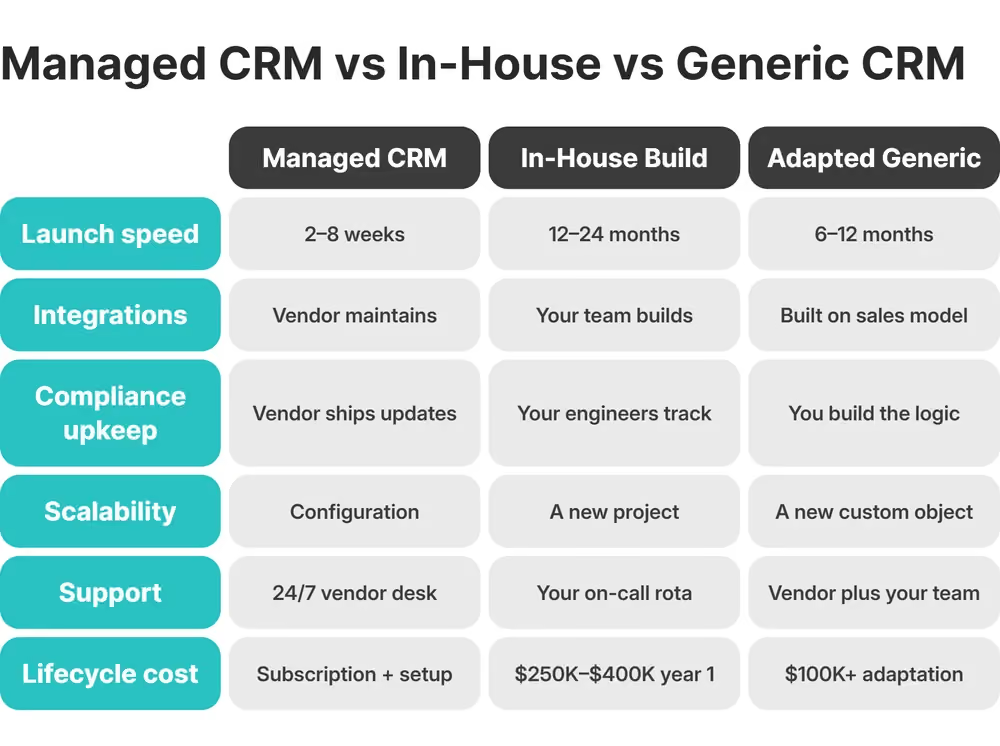
समतुल्य बिल्ड की शुरुआत मध्यम जटिलता वाले ब्रोकरेज CRM में $90,000 से $300,000 होती है। B2BROKER की इन-हाउस और रेडी-मेड CRM की तुलना पहले वर्ष की ओनरशिप लागत $250,000 से $400,000 बताती है, जब कंप्लायंस और इंटीग्रेशन का काम बजट में शामिल हो जाता है, और प्रोडक्शन तक का समय 12 से 24 महीने बताती है।
पाँच साल पर वही तुलना कागज़ पर बिल्ड को सस्ता दिखाती है — करीब $320,000, सब्सक्रिप्शन के $381,000 से अधिक के मुकाबले — और ब्रेक-ईवन करीब 30 से 36 महीने पर आता है। यह हिसाब इस मान पर टिका है कि बिल्ड बजट के अंदर शिप होगा। उसी विश्लेषण में यह आम है कि बिल्ड की लागत अनुमान की दो से तीन गुना हो जाए। करीब $320,000 वाले उस पाँच-वर्षीय आँकड़े को दोगुना करके $640,000 करें, तो पूरी तुलना में बिल्ड सब्सक्रिप्शन से महँगा ही रहता है।
इन-हाउस सिस्टम की छिपी इंजीनियरिंग और कंप्लायंस लागत
हर रेगुलेटर, ट्रेडिंग प्लेटफ़ॉर्म और पेमेंट प्रोवाइडर अपने बदलाव-शेड्यूल पर चलता है, इसलिए इन-हाउस CRM लॉन्च के काफी बाद तक इंजीनियरिंग का समय खाता रहता है। डेवलपमेंट कोटेशन से बना बजट इन मदों में से हर एक छोड़ देता है।
ब्रोकरेज CRM की मदवार बिल्ड लागत दिखाती है कि आवर्ती रकम कहाँ जाती है:
- हर उस जुरिसडिक्शन के लिए $4,000 से $10,000 का कंप्लायंस मॉड्यूल, जिसमें आपका लाइसेंस हो
- एक लिक्विडिटी ब्रिज के साथ कस्टम CRM इंटीग्रेशन $15,000 से $30,000, मॉनिटरिंग और फ़ेलओवर जोड़ने से पहले
- रियल-टाइम रिस्क और रिपोर्टिंग इंजन $50,000 से $70,000
- सालाना मेंटेनेंस मूल बिल्ड का 10 से 20%, और होस्टिंग प्रति वर्ष $12,000 से
बजट मुख्य व्यक्ति पर निर्भरता को भी नहीं गिनता। सिस्टम बनाने वाले इंजीनियर उसका डिज़ाइन अपने दिमाग़ में रखे रहते हैं। जब उनमें से कोई निकल जाता है, तो उसका लिखा MT4*/MT5* कनेक्टर ऐसा कोड बन जाता है जिसे टीम में और कोई नहीं समझता।
एक नज़र में तुलना
साइन करते वक्त जो विकल्प सबसे सस्ता होता है, वह तीसरे साल तक शायद ही सबसे सस्ता बना रहता है। मैनेज्ड प्लेटफ़ॉर्म, इन-हाउस बिल्ड, और भारी कस्टमाइज़ेशन वाला Salesforce जैसा जेनेरिक CRM — हर एक अपना पैसा अलग साल में खर्च करता है।
लाभ को आँकड़ों में उतारना: ब्रोकरेज-विशिष्ट ROI ड्राइवर
ब्रोकरेज CRM का ज़्यादातर रिटर्न उन सेल्स प्रोसेस और ऑपरेशन से आता है जो तेज़ी से चलते हैं। लाइसेंस लागत की कटौती नीचे एक छोटी लाइन भर रहती है। Nucleus Research अपने 2023 के CRM केस स्टडीज़ में इसी नतीजे पर पहुँचा, जहाँ प्रोडक्टिविटी और प्रोसेस एफिशिएंसी ने कुल ROI का 51% दिया और रेवेन्यू ग्रोथ का योगदान सबसे कम रहा। ब्रोकर के लिए ROI का अधिकांश दो ड्राइवरों से आता है।
लीड-से-फ़ंडेड-अकाउंट कन्वर्ज़न में बढ़त
हर अतिरिक्त फ़ंडेड अकाउंट अपना डिपॉज़िट लाता है, और उसके बाद महीनों का ट्रेडिंग वॉल्यूम — यही उसके कस्टमर लाइफ़टाइम वैल्यू के दो हिस्से हैं। इसीलिए फ़ंडेड-अकाउंट कन्वर्ज़न में छोटी बढ़त भी कंपाउंड हो जाती है। लिखकर देखें तो रेवेन्यू = लीड्स × KYC अप्रूवल रेट × फ़ंडेड रेट × एक्टिव-ट्रेडिंग रेट × प्रति एक्टिव क्लाइंट शुद्ध रेवेन्यू। CRM अप्रूवल रेट और फ़ंडेड रेट को सीधे प्रभावित करता है, और एक्टिव-ट्रेडिंग रेट को क्लाइंट कैबिनेट के ज़रिए।
CRM फ़ॉर्मूले के जिस घटक को सबसे ज़्यादा प्रभावित करता है, वह फ़ंडेड रेट है, और वह अप्रूवल और पहले डिपॉज़िट के बीच के दिनों पर तय होता है। लीड डॉक्यूमेंट जाँच या पेमेंट कन्फ़र्मेशन के लिए जितना दिन इंतज़ार करती है, उतना ही दिन प्रतियोगी के विज्ञापन के लिए खुला रहता है — और आपकी कस्टमर एक्विज़िशन कॉस्ट पहले ही खर्च हो चुकी होती है। जब रिव्यू कतार और डिपॉज़िट का स्टेटस एक ही सिस्टम में हों, और कंप्लायंस व पेमेंट के बीच डेटा साइलो न हों, तो इंतज़ार घटकर उतना रह जाता है जितना पेमेंट प्रोवाइडर लेता है। गो-लाइव से पहले और बाद में यह अंतर मापें, ताकि दिखे कि इसका कितना हिस्सा फ़ंडेड अकाउंट में बदलता है।
बैंकों, एसेट मैनेजरों और फ़ंड एडमिनिस्ट्रेटरों के 600 निर्णयकर्ताओं पर Fenergo का 2025 सर्वे इस अंतर को ब्रोकरेज के बाहर मापता है। पिछले एक साल में उन संस्थाओं के 70% ने धीमे ऑनबोर्डिंग से क्लाइंट खोए , जो 2023 के 48% से ऊपर है।
IB पेआउट ऑटोमेशन और ऑनबोर्डिंग की एफिशिएंसी में लाभ
IB ऑटोमेशन ROI इस तरह बढ़ाता है कि कमीशन की गणना और पेआउट बैक ऑफिस की डेस्क से हट जाते हैं — वही जगह जहाँ पार्टनर विवाद और महीने के अंत का रिकन्सिलिएशन शुरू होता है। जब सिस्टम ट्रेड डेटा से हर पार्टनर का रिवॉर्ड निकालता है और उसे ऐसी रिपोर्ट में दिखाता है जिसे पार्टनर खुद खोल सके, तो स्टेटमेंट के लिए कोई ईमेल नहीं भेजता, और विवाद शुरू ही नहीं होता।
B2CORE का IB मॉड्यूल मल्टीलेवल रेफ़रल प्रोग्राम चलाता है और पार्टनरों को क्रिप्टो या फ़िएट में किसी भी शेड्यूल पर भुगतान करता है, रोज़ाना या रियल-टाइम समेत। पार्टनर रेफ़र किए गए क्लाइंट का रिवॉर्ड उसी दिन देख सकता है जिस दिन वह क्लाइंट ट्रेड करे। नया IB ऑपरेशंस का टिकट उठाए बिना अपना रेफ़रल लिंक और अपनी रिपोर्ट पा जाता है। तब पार्टनर नेटवर्क बढ़ सकता है, और बैक ऑफिस का आकार वही रहता है।
ROI बेंचमार्क सुलझाना: निवेश के हर डॉलर पर $3.10 से $8.71
$3.10 से $8.71 प्रति डॉलर वाली यह रेंज एक ही फ़र्म, Nucleus Research, से आती है। उसने अलग-अलग केस-स्टडी सैंपल को कई वर्षों के फ़ासले पर मापा।
Nucleus ने 2011 में प्रति डॉलर $5.60 बताया और 2014 में $8.71 । 63 केस स्टडीज़ पर उसकी 2023 समीक्षा रिटर्न को प्रति डॉलर $3.10 पर आँकती है। उस दशक में Nucleus जो 37% की गिरावट बताता है, वह $4.90 के औसत से मापी गई है। 2014 के शिखर के मुकाबले गिरावट और भी तेज़ है। Nucleus इस रुझान का कारण CRM प्लेटफ़ॉर्म की बढ़ती जटिलता और उनकी इंटीग्रेशन लागत को बताता है। इतना होने पर भी ज़्यादातर पेज $8.71 को उसके साल के बिना उद्धृत कर देते हैं।
इस रेंज को इस बात का सबूत मानें कि CRM अपना खर्च निकाल लेता है, और अपना आँकड़ा अपनी लागतों से बनाएँ। जो फ़ाइनेंस डायरेक्टर “$8.71 प्रति डॉलर” सुनेगा, वह कौन-सा साल पूछेगा। ब्रोकरेज का आँकड़ा ऊपर दिए TCO मॉडल में कन्वर्ज़न और पेआउट के लाभ जोड़कर निकलता है, और वह आपकी लीड वॉल्यूम पर मापा जाता है।
समीकरण का रिस्क पक्ष: इन-हाउस बिल्ड अक्सर अपेक्षा से कम क्यों देते हैं
इन-हाउस रास्ता एक्ज़ीक्यूशन रिस्क जोड़ता है, जो सब्सक्रिप्शन के मुकाबले दिखी लागत-बचत को सिस्टम के गो-लाइव से पहले ही मिटा सकता है। इस रिस्क की कीमत वैसे ही लगाएँ जैसे लाइसेंस फ़ीस की लगाते हैं — देरी पर एक आँकड़ा, रीवर्क पर एक आँकड़ा।
देरी सबसे पहले पहुँचने वाली लागत है। बिल्ड के खिसकने का हर महीना मैनुअल ऑनबोर्डिंग का एक और महीना होता है। इस बीच मार्केटिंग बजट लगातार जो लीड्स खरीदता है, वे स्प्रेडशीट में पड़ी रहती हैं। जो अकाउंट उस महीने फ़ंड हो जाते, वे बाद में फ़ंड होते हैं, या कहीं और।
कंप्लायंस की खामियों की कीमत सबसे भारी पड़ती है। रेगुलेटरों ने 2024 में AML (एंटी-मनी लॉन्ड्रिंग) एन्फ़ोर्समेंट कार्रवाइयों के $4.6 अरब जारी किए। इनमें से $3.3 अरब ट्रांज़ैक्शन-मॉनिटरिंग की विफलताओं से जुड़ा था। ये जुर्माने बैंकों ने चुकाए। आँकड़ा फिर भी यह दिखाता है कि ब्रोकरेज को क्या चुकाना पड़ सकता है, अगर उसके AML कंट्रोल नियमों से तालमेल खो बैठें। इन-हाउस CRM, KYC वर्कफ़्लो, ऑडिट ट्रेल और रिटेंशन के नियम आपके इंजीनियरों के हवाले छोड़ देता है, जो इन नियम-बदलावों को अपने बाकी सभी कामों के साथ ट्रैक करते हैं।

IT प्रोजेक्ट की विफलता दरें और देरी का रिस्क
कस्टम CRM प्रोजेक्टों में स्कोप, उसे थामने वाली गवर्नेंस से तेज़ बढ़ जाता है। ब्रोकरेज CRM इस बढ़त को आम प्रोजेक्टों से ज़्यादा तेज़ कर देता है। हर डेस्क अपना व्यू चाहती है, हर जुरिसडिक्शन अपना फ़्लो चाहता है।
IEEE Computer में संक्षेप में प्रकाशित Standish Group के CHAOS 2020 आँकड़ों के अनुसार 31% सॉफ़्टवेयर प्रोजेक्ट सफल, 50% चैलेंज्ड और 19% विफल रहे । मुख्य रिपोर्ट पेवॉल के पीछे है और उसकी परिभाषाएँ संस्करण के हिसाब से बदलती हैं, इसलिए यह बँटवारा पैमाने का अंदाज़ा देता है, सटीक माप नहीं। मोटे तौर पर तीन में से दो प्रोजेक्ट शेड्यूल, बजट या स्कोप में से कम से कम एक चूक जाते हैं।
“चैलेंज्ड” प्रोजेक्ट की कीमत ब्रोकर को टले हुए क्लाइंट एक्विज़िशन के रूप में चुकानी पड़ती है। मान लीजिए पार्टनर मॉड्यूल सबसे आखिर में शिप होता है। जो IB क्लाइंटों की पहली लहर लाते, वे उसका इंतज़ार करते रह जाते हैं। उन पर निर्भर क्षेत्रीय लॉन्च एक तिमाही खिसक जाता है।
ब्रोकरेज के CTO और COO के लिए बिल्ड बनाम बाय स्कोरकार्ड
फ़ीचर चेकलिस्ट वेंडर की सूची वाले कनेक्टर को उतने ही अंक देती है जितने उस कनेक्टर को जिसे आपकी टीम ने लोड पर चलते देखा हो। वेटेड स्कोरकार्ड दोनों को अलग कर देता है। सात मानदंडों पर अंक दें, फिर उन्हें इस आधार पर वेट करें कि आपकी ब्रोकरेज किस चरण में है।
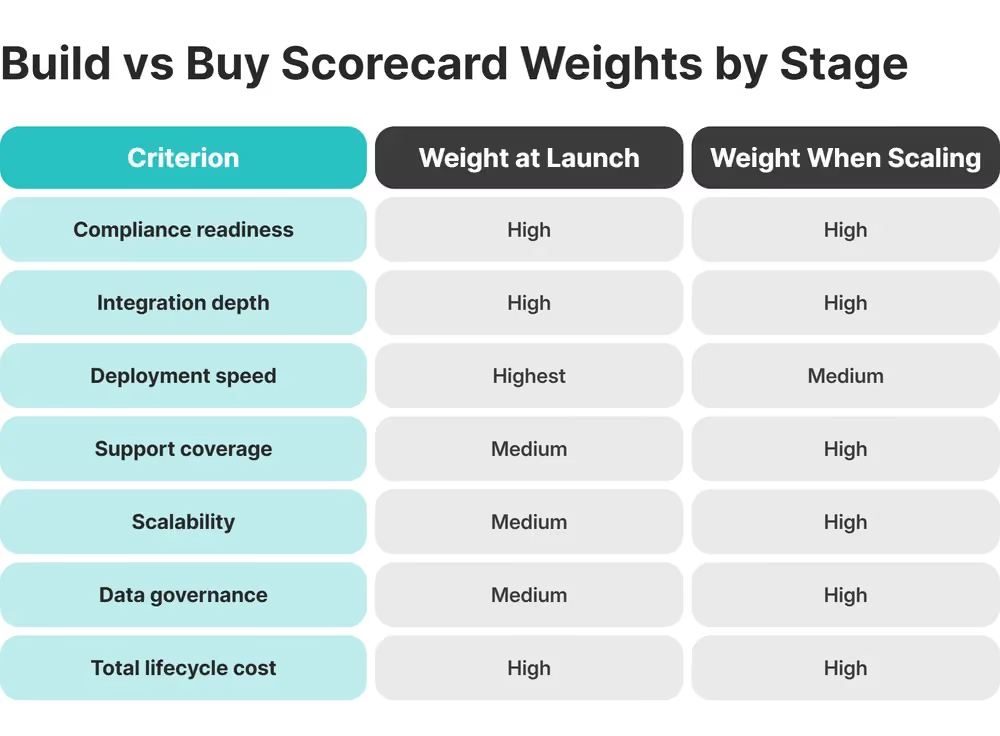
लॉन्च टीम डिप्लॉयमेंट की गति को सबसे ऊँचा वेट देती है। पहला फ़ंडेड अकाउंट आने से पहले कोई और आमदनी नहीं होती। दूसरे क्षेत्र में विस्तार करती फ़र्म वेट को ऑडिट ट्रेल और ऑटोमेटेड कंट्रोल पर ले जाती है। वॉल्यूम बढ़ने पर, वे मैनुअल कदम जिन्हें एक छोटी टीम झेल लेती है, हेडकाउंट की मद बन जाते हैं।
जब स्कोरकार्ड रास्ता चुन ले, तो वेंडर का मूल्यांकन खुद CRM की दस जाँचों के साथ जारी रहता है — ट्रेडर रूम की कार्यक्षमता से लेकर पेमेंट गेटवे की कवरेज तक।
रेगुलेटरी और कंप्लायंस रेडीनेस
रेगुलेटरी रेडीनेस ROI मॉडल तक कंट्रोल गैप के रास्ते पहुँचती है। हर गैप या तो एक सुधार प्रोजेक्ट बन जाता है, या लॉन्च किसी सुधार प्रोजेक्ट का इंतज़ार करने लगता है। वर्कफ़्लो को शुरू से अंत तक स्कोर करें। जाँचें कि दस्तावेज़ कलेक्शन से वेरिफ़िकेशन प्रोवाइडर होते हुए रिव्यू कतार तक बिना मैनुअल डेटा एंट्री के पहुँचता है या नहीं, और उसके बाद लॉग यह दिखाता है या नहीं कि अप्रूवल किसने दिया।
उस स्कोरकार्ड पंक्ति के पीछे की चेकलिस्ट:
- AML/KYC वर्कफ़्लो, पूरे ऑडिट ट्रेल के साथ — किसने, क्या, और कब अप्रूव किया
- रोल-आधारित परमिशन और जुरिसडिक्शन-विशेष डेटा मैनेजमेंट नियम, डेटा रिटेंशन सहित
- हर उस रेगुलेटर के लिए रिपोर्टिंग फ़ॉर्मैट, जिसके प्रति आप जवाबदेह हैं
- स्टैंडर्ड के तौर पर 2FA, SSL एन्क्रिप्शन और DDoS प्रोटेक्शन, एडमिन एक्सेस के लिए IP व्हाइटलिस्टिंग के साथ
जिस मद पर निशान नहीं लगता, वह काम आपकी टीम बाद में करेगी, उस समय-सीमा पर जो रेगुलेटर तय करता है।
टाइम-टू-मार्केट और कुल लाइफ़साइकल लागत
सिस्टम जिस दिन गो-लाइव होता है, डिपॉज़िट उसी दिन से आने लगते हैं। टाइम-टू-मार्केट मॉडल के लागत पक्ष पर उतना ही बैठता है जितनी लाइसेंस की पंक्ति। कॉन्फ़िगर किया गया डिप्लॉयमेंट दो से आठ हफ़्तों में गो-लाइव होता है, और बिल्ड 12 से 24 महीनों में।
इस अंतर को उन डिपॉज़िट की कीमत पर आँकें जो उस अंतराल में आ गए होते, और उस बाज़ार-प्रवेश की भी जो सिस्टम का इंतज़ार करता रहा। व्हाइट-लेबल ब्रोकरेज प्लेटफ़ॉर्म उन इंटीग्रेशन के साथ आते हैं जो बिल्ड का शेड्यूल खा जाते हैं, और ये इंटीग्रेशन पहले से जाँचे जा चुके होते हैं। इससे टाइम-टू-लॉन्च 60 से 70% घट जाता है।
कीमत बढ़ने पर इन-हाउस बिल्ड का फ़ैसला क्यों नहीं होना चाहिए
CRM की कीमत में बढ़ोतरी से TCO का पुनर्आकलन होना चाहिए, और बिल्ड का फ़ैसला सिर्फ़ तभी लिया जाए जब ओवररन और देरी जोड़ने के बाद भी नए आँकड़े बिल्ड के पक्ष में हों। कीमत के प्रति संवेदनशीलता जायज़ है, क्योंकि SaaS कीमतें पहले ही जनवरी 2025 में साल-दर-साल 11.4% बढ़ चुकी थीं, G7 देशों में 2.7% सामान्य मुद्रास्फीति के मुकाबले।
इन-हाउस CRM भी इस रुझान से बच नहीं पाता। उसकी होस्टिंग, उसका KYC प्रोवाइडर और उसके पेमेंट कनेक्टर, हर एक अपने रिन्यूअल पत्र के साथ आता है।
फ़ैसले को उन बातों पर फिर से रखें जो कीमत बढ़ने से नहीं बदलीं:
- पेबैक की निश्चितता। लाइव सिस्टम पहले महीने से कमा रहा होता है, जबकि बिल्ड सबसे अच्छे हाल में भी 12 से 24 महीने के बीच कमाना शुरू करता है।
- सपोर्ट कवरेज। 24/7 ब्रोकरेज सपोर्ट वाला वेंडर रात 3 बजे पेमेंट-रूट का आउटेज संभाल लेता है, इससे पहले कि कस्टमर सैटिस्फ़ैक्शन गिरे। दो इंजीनियरों की टीम उस रोस्टर को नहीं भर सकती।
- कंप्लायंस मेंटेनेंस। वेंडर उन जुरिसडिक्शन में नियम-बदलाव ट्रैक करता है जहाँ उसके क्लाइंट काम करते हैं, उस लागत पर जिसे वरना आपकी अकेली फ़र्म को ही उठाना पड़ता।
- इंजीनियरिंग का ऑपर्च्युनिटी कॉस्ट। CRM पर लगा हर स्प्रिंट उस ट्रेडिंग प्लेटफ़ॉर्म पर नहीं लगता जिसे आपके क्लाइंट देखते हैं।
नेटिव इंटीग्रेशन इसी लागत से बचने का ठोस रूप हैं। B2CORE 150 से ज़्यादा रेडी इंटीग्रेशन के साथ आता है, MT4*/MT5* और cTrader से लेकर पेमेंट प्रोवाइडर और KYC कनेक्टर तक। ऐसे प्री-बिल्ट कनेक्टर कस्टम API बिल्ड के मुकाबले $50,000 से $100,000 बचाते हैं।
लंबी अवधि का ROI अधिकतम करने वाली CRM रणनीति चुनना
मैनेज्ड CRM लंबी अवधि का सबसे अच्छा रिटर्न तब देता है जब फ़ंडेड अकाउंट जल्दी आते हैं, और जब पेआउट व ऑनबोर्डिंग का काम अतिरिक्त हेडकाउंट के बिना चलता है। ऊपर वाले मॉडल में मैनेज्ड CRM का ROI उस रेवेन्यू से आता है जो जल्दी पहुँचता है, और उस बिल्ड रिस्क से जिसे आप कभी नहीं उठाते। कंप्लायंस रेडीनेस इन दोनों की रक्षा करती है।
बड़ी ब्रोकरेज के लिए, जिसके पास गहरी इंजीनियरिंग टीम हो और इंटीग्रेशन की छोटी, स्थिर सूची हो, इन-हाउस बिल्ड स्कोरकार्ड फिर भी जीत सकता है। ऊपर बताई दरों पर ओवररन, देरी और मेंटेनेंस जैसे ही मॉडल में आते हैं, बिल्ड की कागज़ी बचत गायब हो जाती है।
वेंडर के बने रहने को भी गिनें — सब्सक्रिप्शन सिर्फ़ उतनी देर चलता है जितनी देर उसके पीछे की कंपनी चलती है। B2BROKER 2014 से काम कर रहा है, 500 से ज़्यादा ब्रोकर्स के लॉन्च में मदद कर चुका है, और 1,000 से ज़्यादा कॉर्पोरेट क्लाइंट की सेवा करता है।
अगर इस समीक्षा की शुरुआत रिन्यूअल कोटेशन से हुई हो, तो उस मीटिंग से पहले हिसाब लगा लें जिसमें बिल्ड को मंज़ूरी मिलनी है। B2BROKER की टीम B2CORE के प्लान और इंटीग्रेशन को आपके स्टैक और आपके पेबैक लक्ष्य से मिला सकती है।
मैनेज्ड CRM के ROI पर अक्सर पूछे जाने वाले प्रश्न
मैनेज्ड CRM का ROI कैसे निकालें?
प्लेटफ़ॉर्म के लाभ में से उसकी कुल लाइफ़साइकल लागत घटाएँ, फिर उसी लागत से भाग दें। ब्रोकर के लाभ हैं फ़ंडेड-अकाउंट बढ़त से आया अतिरिक्त रेवेन्यू, ऑटोमेटेड IB पेआउट, और वे इंजीनियरिंग घंटे जो खर्च नहीं हुए। लॉन्च में देरी से जुड़ा रेवेन्यू लागत पक्ष में गिना जाता है।
क्या फ़ॉरेक्स ब्रोकर्स के लिए CRM निवेश के लायक हैं?
मैनेज्ड CRM तब पेबैक करता है जब वह उन परतों से मैनुअल काम हटा दे जहाँ ब्रोकरेज की ऑपरेटिंग लागत पड़ती है — ऑनबोर्डिंग से लेकर पार्टनर पेआउट तक। B2CORE इन वर्कफ़्लो को ट्रेडिंग प्लेटफ़ॉर्म और KYC प्रोवाइडर से पहले ही जोड़ता है, और वह इम्प्लीमेंटेशन गैप बंद कर देता है जिसे जेनेरिक CRM खुला छोड़ देते हैं।
मैनेज्ड CRM बनाम इन-हाउस CRM में ब्रोकर्स किन लागतों की तुलना करें?
पूरी लाइफ़साइकल का TCO बराबर अवधि पर तुलना करें, कम से कम पाँच साल। मैनेज्ड पक्ष पर यह सब्सक्रिप्शन, कॉन्फ़िगरेशन और एडॉप्शन है। इन-हाउस पक्ष में इंजीनियरिंग, होस्टिंग और सिस्टम की पूरी उम्र के कंप्लायंस अपडेट जुड़ते हैं, साथ में बिल्ड के दौरान खोया रेवेन्यू।
क्या CRM की कीमत बढ़ने पर इन-हाउस बिल्ड शुरू करना चाहिए?
इससे एक संरचित TCO समीक्षा शुरू होनी चाहिए। बिल्ड सिर्फ़ वहीं करें जहाँ प्रोजेक्ट ओवररन, कंप्लायंस रखरखाव और मुख्य व्यक्ति का रिस्क जोड़ने के बाद भी आँकड़े बिल्ड के पक्ष में रहें। ऊँचा सब्सक्रिप्शन, जो लॉन्च की गति और ऑपरेशनल निरंतरता की रक्षा करता है, आमतौर पर लंबी अवधि का ज़्यादा मज़बूत ROI अपने पास रखता है।
ब्रोकर्स मैनेज्ड CRM का ROI अधिकतम कैसे करें?
कॉन्फ़िगरेशन से पहले हर वर्कफ़्लो को एक रेवेन्यू ड्राइवर से जोड़ें, फिर पहले दिन से डेटा क्वालिटी लागू करें। यूज़र एडॉप्शन को डेस्क-दर-डेस्क भी ट्रैक करें — यही पहली जगह है जहाँ रिटर्न गिरने लगता है, जब स्टाफ़ सिस्टम को दरकिनार कर काम करने लगता है। B2BROKER यह आकलन कर सकता है कि B2CORE आपके इंटीग्रेशन रोडमैप और पेबैक लक्ष्य पर फिट बैठता है या नहीं।
हमारा न्यूज़लेटर सब्सक्राइब करें