Forex Options Trading: What Traders and Brokers Need to Know

Forex options trading lets your clients express a market view with greater control, because each position starts with a clearly defined maximum loss. Most advanced traders today expect these instruments in their toolkit, especially when they need precision for hedging rather than broad directional exposure.
As a broker, you need to understand how options contracts behave and how risk flows through your infrastructure when clients add options to their workflow. Your decisions here shape both execution quality and the credibility of the product you offer.
This guide explores the mechanics behind FX options and explains the systems required to run an institutional-grade brokerage business.
Key Takeaways
- Forex options grant the right to trade currency pairs at a set price with risk limited to the upfront premium.
- Unlike spot execution, options require infrastructure to manage premiums, expirations, and complex lifecycle events.
- Product offerings range from standard vanilla contracts to exotic structures like barriers and digitals.
Have a Question About Your Brokerage Setup?
Our team is here to guide you — whether you're starting out or expanding.
What Is Forex Options Trading?
Forex options are contracts that give a trader the right to buy or sell a currency pair at a preset strike price before or at expiration.
Unlike spot trades, an option lets a trader express a view on a future exchange rate without taking ownership of the underlying pair. If the market moves in a favourable direction, the contract can be exercised or closed for a gain. If the market does not move as expected, the loss is limited to the premium paid at entry.
Brokers and traders rely on a few core terms when it comes to FX options:
- Strike price: the level at which the option grants buying or selling rights.
- Expiration date: the final moment when the right can be used.
- Premium: the upfront cost that defines the buyer’s maximum loss.
FX options continue to gain relevance among clients who need precision rather than simple directional exposure.
Spot Forex vs. Forex Options
Spot forex and forex options trading both focus on currency pairs, but they shape risk and capital use in very different ways. A spot trade creates an immediate position in the market, while an option creates a conditional right that may never turn into a position at all.
Here are the differences between spot and options trading:
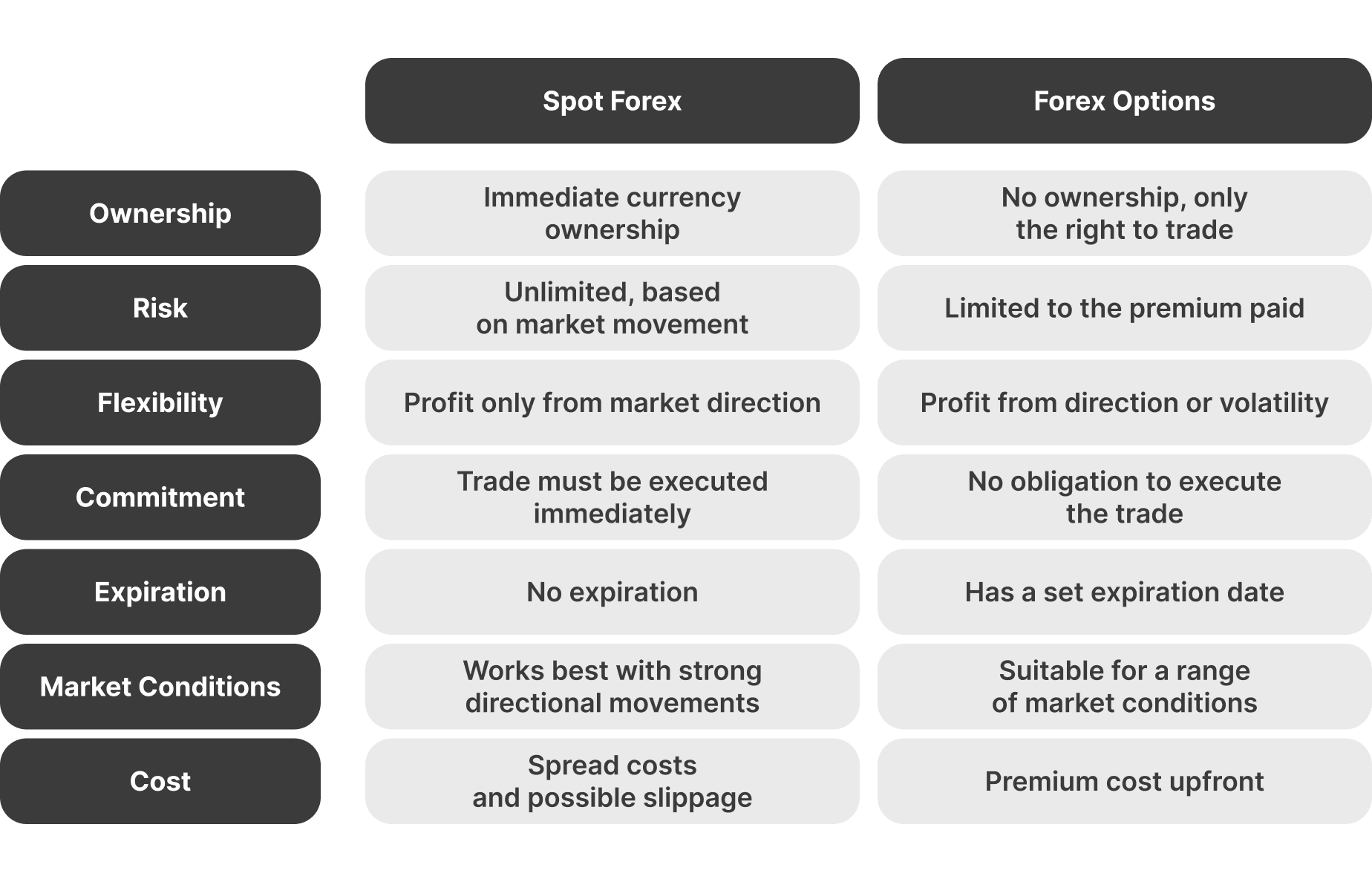
In spot trading, the desk enters a live exposure once the order fills. For example, a buy order in EUR/USD at 1.1000 creates ownership of euros funded in dollars. P&L then tracks every tick in the rate until the position closes or a hedge offsets it.
Options work through rights rather than instant exposure. A call on EUR/USD with a strike at 1.1000 gives the holder the ability to buy at that level before expiry. If the rate trades higher, the contract gains value. If the market drifts lower, the holder can let the option lapse and lose only the initial premium.
For desks and brokers, this changes how capital and support must be organized:
- Spot flows need continuous margin monitoring and funding control.
- Options flows need premium handling and lifecycle management from trade entry to exercise or expiry.
- Client conversations shift from entry levels to strike selection and time horizon.
When you design your product lineup, these structural differences drive platform choice and risk models. A mature brokerage usually treats spot and options as linked but distinct businesses, each with its own policies, analytics, and service expectations.
Key Types of FX Trade Options
If you plan to add FX options to your product set, you need clarity on what your clients actually trade. Here are the main types of forex options:
Vanilla Calls and Puts
Vanilla options sit at the center of most foreign exchange options books. A call gives the holder the right to buy a pair at an agreed strike. A put gives the right to sell at a strike that both sides define in advance.
Let’s take a simple EUR/USD call as an example. Your client pays a premium for the right to buy at 1.1000.
- If the market later trades at 1.1250, the contract holds value because the right to buy at 1.1000 has a clear economic benefit.
- If EUR/USD drifts lower instead, the client lets the option expire and loses only the premium. For you as a broker, that payoff profile creates a clean maximum loss on the client side and a clear hedging target on your side.
Because vanilla calls and puts behave in such a transparent way, they form the base layer for more complex strategies that your sophisticated clients will ask for later.
SPOT-Style Products
Single Payment Options Trading (SPOT) products offer a fixed cash payout when a defined condition occurs. The client pays one premium at the start, and either receives a pre-agreed amount or nothing at all.
These contracts work well for event-driven flow, where clients care about a level being reached rather than ongoing exposure. A common use case involves macro news or policy meetings that can trigger sharp intraday moves.
For brokers, SPOT products demand clear documentation and transparent payoff diagrams. Clients must see exactly what they gain and what they lose, since the outcome switches fully once the condition is met or missed.
Exotic Structures
Exotic FX options add features that respond to specific paths of the exchange rate.
- Barriers switch the contract on or off when the market touches a level.
- Digitals (binary) pay a fixed amount when a condition holds.
- Asian structures link payoffs to an average price.
These features change how time, volatility, and spot levels interact in the premium. A barrier near the market may lower the upfront cost but introduces jump risk around that trigger. Your pricing engine must handle these dynamics with high precision.
These instruments require robust modelling and clear risk limits on your side. Before you list exotics, you need pricing engines, stress tools, and reporting that capture every path dependency inside the contract.
Start your Forex Brokerage in Weeks, not Months
All Technology, Liquidity & Payment Integrations Included
White-Label cTrader/B2TRADER with Full Back Office Support
Compliance-Ready Setup with Ongoing Technical Support
How to Trade FX Options
When a client trades FX options through your brokerage, their experience follows a clear path. As you design this flow, consider how your internal teams will interact with it. Compliance, dealing, and technology all touch the same trade at different moments and need the same reliable data and audit trail.
Step 1: Choosing a Trusted FX Options Broker
From the client's perspective, an options relationship starts with trust. They look for a regulated broker that holds sufficient capital and enforces clear margin policies. Those signals give comfort that the venue can support stress events.
Your firm must prove that the options book sits on top of solid risk processes. That means documented models, tested margin frameworks, and governance that stands up in front of institutional due diligence. Transparency around pricing and execution logic helps conversations with a larger trading account.
Step 2: Setting Up a Trading Platform
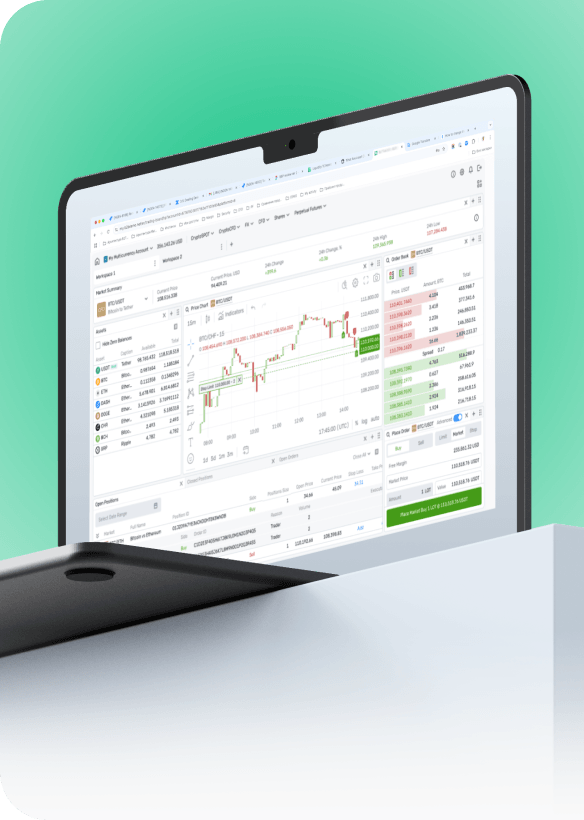
Once the relationship is in place, attention shifts to the interface. An options platform lives on the quality of its data and analytics. Traders want live options chains and intuitive access to Greeks inside one environment.
Technology providers often extend this setup through APIs. They plug your platform into internal tools for order management or reporting. If your stack supports reliable FIX connectivity, it becomes easier to win systematic flow and longer-term mandates.
Step 3: Picking a Currency Pair and Strike Price
Trade design starts with pair selection. Clients look at liquidity and current macro drivers before choosing a market. Major pairs usually attract hedging flow, while niche financial instruments tend to host more tactical risk.
Strike choice then reflects the conviction of the view. A client who seeks insurance often selects levels close to spot. A client who targets infrequent but meaningful moves may choose strikes further away and accept lower hit rates.
Step 4: Executing and Monitoring the Position
Execution quality shapes the first impression. Some clients use market orders for speed. Others prefer limit orders that align with pre-set entry levels. Your systems must record every step so that support teams can reconstruct trade history on demand.
After the fill, attention turns to lifecycle management. Traders monitor time decay and volatility changes and adjust when the original thesis changes. They might roll to a new expiry, scale out of size, or exercise early when that aligns with their objectives.
Forex Options Trading Strategies for Beginners
Beginner-friendly options strategies help new traders move beyond directional bets in spot. They give structure to risk, define entry logic, and create a clear plan for what happens if the market turns against the original view.
Protective Put Strategy (Hedging)
A protective put helps a trader defend an existing long position in currency or ETFs pairs. The trader buys a put on the same pair, which limits downside if the market falls while keeping the underlying position open.
This approach suits situations where the trader wants protection during uncertain periods without closing the original exposure. The premium becomes the cost of maintaining that flexibility.
Covered Call Strategy
A covered call allows a trader to generate income on a long currency position by selling a call option. The premium collected enhances returns as long as the market stays below the strike.
If the market moves higher and reaches the strike, the trader may need to settle the position at that level. This structure fits a view where the trader expects limited appreciation and prefers steady income over open-ended gains.
Long Straddle Strategy (Speculation on Market Volatility)
A long straddle helps a trader position for a sharp move without predicting its direction. By buying a call and a put at the same strike, the trader gains from meaningful volatility rather than specific option price targets.
This strategy makes sense before major announcements or during periods of uncertainty when the trader expects a break from the current range. It offers a controlled way to express a volatility view while keeping the risk of loss limited to the premiums paid.
Advanced Forex Options Strategies
Once the basics feel comfortable, many traders move to structures that define both risk and payoff more precisely.
Iron Condor Strategy
An iron condor builds a zone where the trader expects the currency pair to trade. The position combines short options near the current market price with long protection further away, which creates a corridor with capped risk on each side.
This structure suits markets that feel settled after major events. The trader benefits when spot remains inside the chosen range. They accept the defined loss if an unexpected move pushes the pair beyond the outer strikes.
Strangle Strategy
A long strangle focuses on volatility rather than direction. The trader buys a call with a higher strike and a put with a lower strike. This creates a payoff that reacts when the price escapes the central area.
This setup fits situations where upcoming news may trigger a large move but the path remains uncertain. The cost is lower than a straddle because both options start out of the money, while the trade needs a stronger shift to perform.
Butterfly Spread Strategy
A butterfly spread creates a focused view around one central level. The trader uses options at three strikes, forming a payoff that peaks when the currency pair finishes near the middle price at expiration.
This strategy works best when the trader expects muted volatility and sees a specific level as an anchor. Risk remains limited from the outset, which makes planning easier.
Risk Management and Hedging in Currency Options Trading
Strong options flow only works when risk stays clearly defined. Traders want protection for capital, and brokers need stable books that hold up under stress. A structured approach to limits, hedging, and spreads keeps both sides aligned.
1. Defining Risk Limits
Every options program starts with clear boundaries. The trader sets a maximum loss per position and links that number to portfolio size, so a single idea never threatens the wider book.
Options help because the premium fixes the worst outcome for the buyer. That clarity makes it easier to set margin policies and communicate limits to clients who use leverage.
More mature desks also spread exposure across maturities and strike levels. This reduces sensitivity to a single date or level, giving risk teams more room to adjust when markets shift.
2. Using Options for Hedging Spot Positions
Options can protect profitable spot positions when sentiment turns uncertain. A long EUR/USD spot trade, for example, gains from euro strength but feels vulnerable around key macro events.
The trader can buy a put option on the same pair and strike near the area of concern. If EUR/USD drops, the option offsets losses in the spot leg. The team evaluates whether the premium justifies the insurance, based on position size and event risk.
3. Managing Volatility with Spreads
Spread structures refine volatility exposure and keep premium costs under control. A vertical spread pairs a bought option with a written option in the same expiry, so the incoming premium funds are part of the hedge.
Traders use bullish or bearish variations when they expect direction with a measured target. The payoff stays capped in both profit and loss, which improves visibility for the risk manager who oversees the overall book.
Platform Essentials for Trading Forex Options
A forex options business stands on its technology stack. Pricing quality, fill quality, and risk visibility all come from the platform you choose. If the tools fall short, even strong client demand will not translate into sustainable flow.
API and FIX Protocol Support
An API is a communication method that lets different systems exchange data without manual work. When an options platform includes a stable API, clients can automate routine tasks and integrate pricing or positions into their own tools.
FIX is a messaging standard used in professional forex options trading. Supporting it signals that the platform can handle complex instructions with consistency. Together, these capabilities create a smoother environment for active traders who rely on accurate data.
Advanced Order Types and Reporting
Options traders use structures that contain several legs, so a platform must let them manage these positions as a single idea. This requires order tools that understand relationships between strikes and expiries. Reporting must also capture core risk metrics such as option sensitivity measures, margin effects, and exercise activity in a way that remains easy to review during fast markets.
Regulatory and Compliance Tools
Offering options introduces stricter oversight, so the platform must help brokers document suitability checks. Real-time monitoring provides early visibility when exposure grows or when trading patterns require attention. Clear records of actions and approvals support regulatory reviews, reducing operational uncertainty for the broker.
Institutional Options Liquidity and Integration for Brokers
A strong FX options offering relies on stable pricing and infrastructure that can handle more complex order flow. When these elements work together, clients experience smoother execution and the broker gains clearer control over risk.
Aggregation with Multiple Liquidity Providers
Liquidity aggregation brings price quotes from several institutions into one feed. This reduces blind spots that appear when a broker depends on a single source.
A routing system then selects the best available quote at the moment of execution. This approach keeps fills consistent and reduces interruptions during volatile periods. As a result, traders see fewer disruptions in execution.
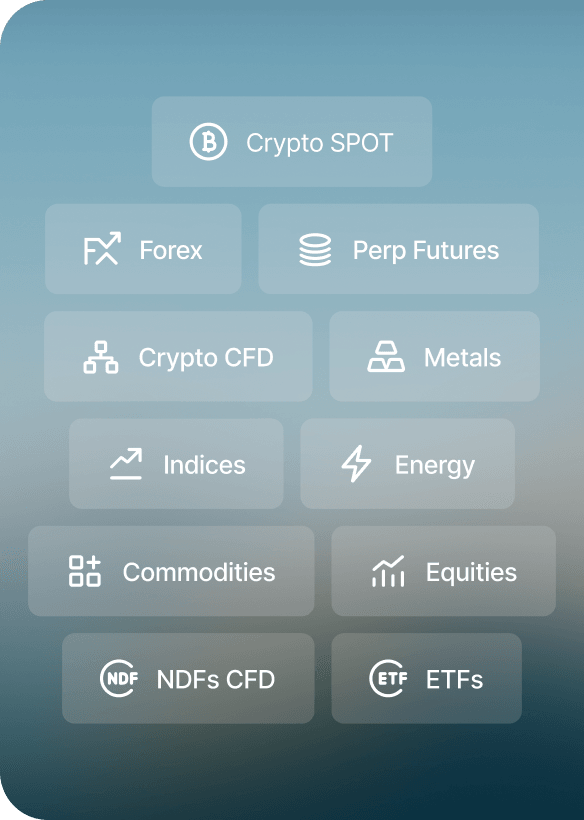
Deep, Reliable Liquidity Across 10 Major Asset Classes
FX, Crypto, Commodities, Indices & More from One Single Margin Account
Tight Spreads and Ultra-Low Latency Execution
Seamless API Integration with Your Trading Platform
Risk Management Technology
Options create exposures that change with time, volatility, and spot movement. A risk engine must track these shifts so the desk can respond early when conditions evolve.
Scenario tools show how a portfolio behaves under different market environments, which helps teams judge whether positions remain within an acceptable range. Pre-trade controls add another safeguard by blocking orders that fall outside approved thresholds.
Seamless CRM Integration
All-In-One CRM & Back Office for Brokers and Exchanges
Fully Customisable Trader’s Room with Modular Features
Built-In IB Module, KYC, Payment Integrations, and Reporting Tools
Intuitive Interface that Boosts Client Engagement
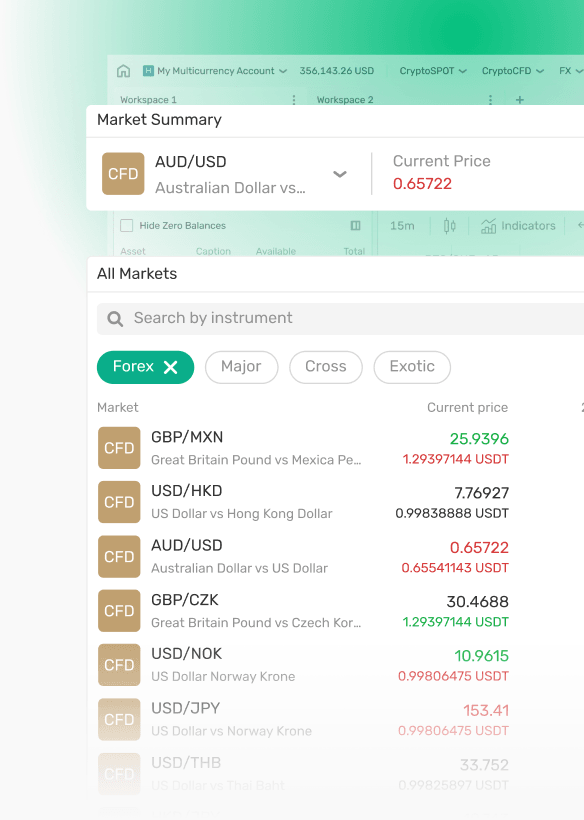
A robust CRM and back-office system like B2CORE gives the brokerage a single view of each client’s activity. When it links directly with the options platform, support teams review positions, documents, and funding information without switching systems.
This connection also improves operational oversight. Margin checks, onboarding, and reporting become easier to manage because all relevant data sits in one place. Clients benefit as well, since communication and guidance align more closely with their actual trading behaviour.
Partner with B2BROKER to Deliver Advanced FX Options Solutions
FX options give brokers a way to serve clients who need more than directional exposure. These traders run portfolios that react to volatility, event risk, and time decay, so they expect a platform that can support those decisions without friction.
B2BROKER delivers the turnkey infrastructure necessary to deploy a professional forex trading environment immediately. Backed by 10+ years of market leadership and 10 regulatory licenses, our solution provides the backend stability required to scale operations confidently without years of development. We handle the technical heavy lifting.
Global demand for advanced hedging instruments continues to accelerate across the sector. Establishing these capabilities now secures a long-term strategic advantage. Brokers acting early will define the standards for the next generation of forex options trading.
If your next step is expanding into the FX brokerage industry, our team can help you build a setup that scales with confidence.
Scale Your Business With Proven Infrastructure
Deploy a proven, turnkey ecosystem covering liquidity and technology without the long development wait.
Frequently Asked Questions about Forex Options Trading
- How do forex options differ from futures trading?
Forex options give the right but not the obligation to trade a currency at a future level, while futures require both sides to settle at expiration. Options limit the buyer’s loss to the premium, whereas futures expose both parties to full market movement.
- Can I get premium-free FX options?
Premium-free structures like zero-cost collars exist when one option is sold to finance another. They reduce upfront cost but cap potential gains and still create risk if the market moves through the sold strike.
- What is the minimum trade size for forex options?
Requirements depend on the venue; retail platforms may support micro lots, while institutional liquidity providers typically demand standard lots (100,000 units) to maintain execution efficiency.
- Which regulatory requirements apply to brokers offering forex options?
Brokers must follow regional derivatives rules, including capital adequacy, client fund segregation, documented risk disclosures, and suitability checks for clients using complex instruments.
Recommended articles