Cross-Border Liquidity Management: Challenges and Strategies for Brokers

Financial markets do not operate in isolation, as institutional investors, brokerage firms, and liquidity providers are connected worldwide. This means that you need a robust cross-border liquidity, trading, and treasury infrastructure.
This intertwined ecosystem enables brokers to fund accounts, execute trades, and settle financial transactions across multiple currencies, jurisdictions, and trading venues. At its core, cross-border liquidity management is the ability to ensure capital is available in the right currency, at the right venue, and at the right time, while minimizing risk, delays, and exposure.
For brokers, cross-border liquidity is not a back-office concern. It is a front-line operational constraint that directly affects spreads, margin efficiency, execution quality, client satisfaction, and scalability.
This guide focuses on broker challenges and solutions when operating globally, explaining cross-border corporate treasury concepts and addressing the reality of Forex and multi-asset brokerage across regions.
Key Takeaways
- Cross-border liquidity management determines how effectively brokers deploy capital across different currencies and global markets
- Fragmented liquidity increases execution risk, settlement delays, and regulatory exposure.
- Technology and automation are key components of operating a multi-asset brokerage and liquidity across borders.
Have a Question About Your Brokerage Setup?
Our team is here to guide you — whether you're starting out or expanding.
What Is Cross-Border Liquidity Management for Brokers?
Cross-border liquidity management is the coordination of multi-currency funding, settlement, and risk across international bank systems and trading venues. It includes conversions between FX pairs, margin funding, settlement processing, and counterparty exposure in every region where trading activity is supported.
Forex and multi-asset brokers must ensure consistent execution quality and support large trading orders seamlessly between various markets; otherwise, they risk overcapitalizing local entities or getting wider spreads.
Therefore, effective liquidity management and planning must streamline trading activities of different scales, manage volatile flows, and expand into new jurisdictions without locking excessive capital into separate independent accounts.
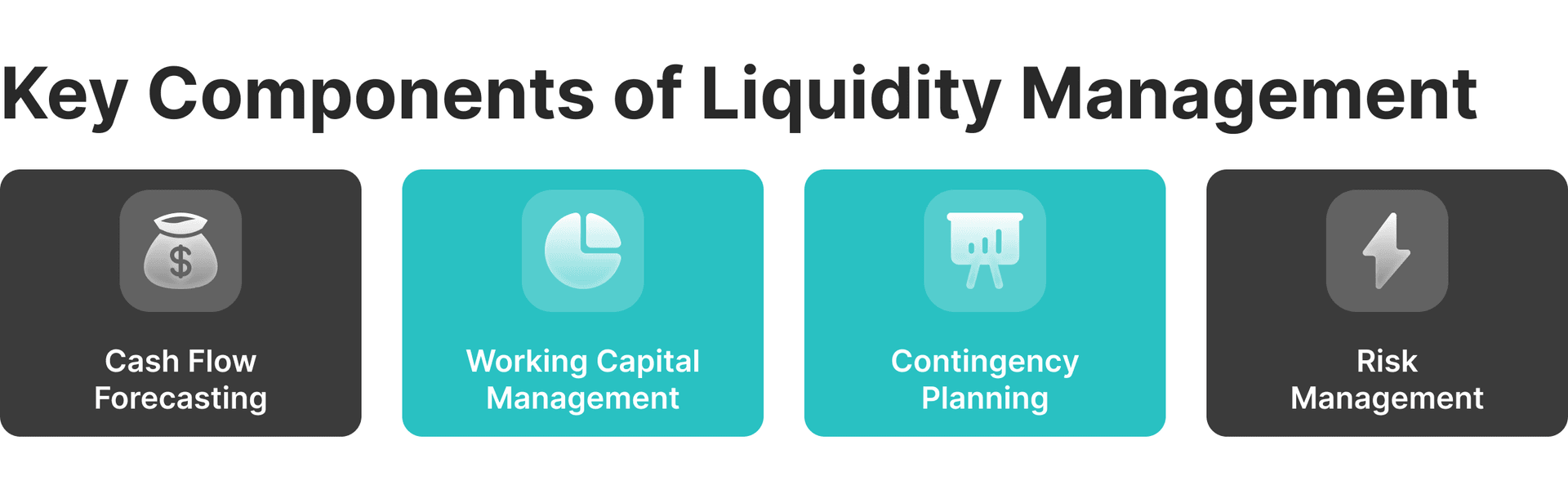
Key Terminology to Know
Understanding core operational terms is essential, as they directly affect execution, funding, and settlement across currencies and jurisdictions. Here are key concepts you need to know:
- Liquidity pools are aggregated funds from multiple financial institutions that enable brokers to execute cross-border trades at scale, ensuring sufficient depth across currencies and regions.
- Settlement cycles refer to the time between trade execution and final settlement, which brokers must bridge to avoid funding gaps.
- Nostro and vostro accounts are the banking structures that support multi-currency settlement, allowing brokers and banks to move funds.
- Intraday liquidity is short-term funding required during trading hours to meet financial obligations when cash inflows/outflows are uneven.
Key Challenges in Multi-Currency Liquidity Solutions
Managing liquidity across borders poses several challenges for brokers, directly affecting pricing, execution reliability, and compliance.
Let’s take a look at some of these challenges:
- Regulatory fragmentation: Different jurisdictions impose varying capital requirements, reporting obligations, and operational restrictions that complicate unified liquidity management.
- Currency volatility: FX rate fluctuations create exposure risks when holding multi-currency positions, requiring sophisticated hedging strategies.
- Settlement timing mismatches: Different markets operate on varying settlement cycles, creating funding gaps that brokers must bridge.
- Information asymmetry: Limited visibility into counterparty creditworthiness across borders increases risk exposure.
- Technology limitations: Legacy systems often fail to provide real-time visibility into positions or automate global payments.
- Capital inefficiency: Trapped liquidity in local accounts reduces overall working capital utilization and increases funding costs.
These challenges can accumulate rapidly, and addressing them requires coordinated infrastructure that prioritizes synergy over isolated tools.
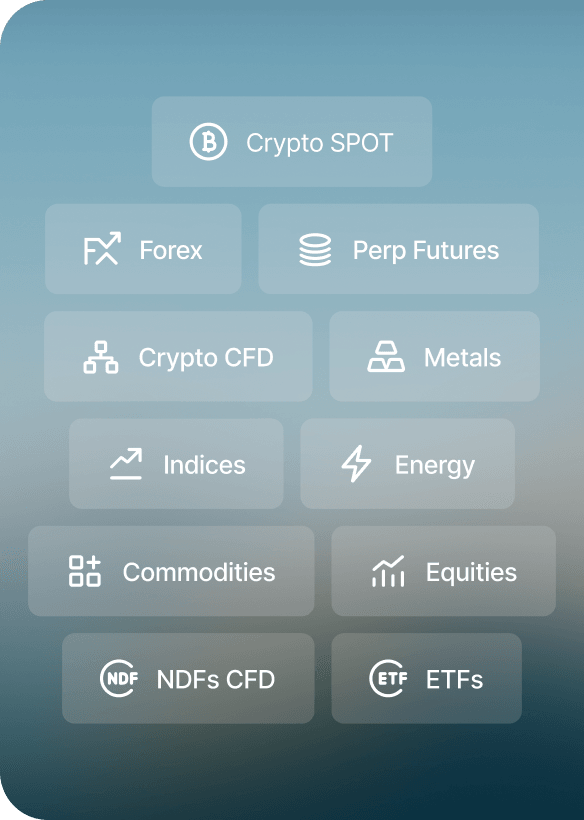
Deep, Reliable Liquidity Across 10 Major Asset Classes
FX, Crypto, Commodities, Indices & More from One Single Margin Account
Tight Spreads and Ultra-Low Latency Execution
Seamless API Integration with Your Trading Platform
Top Strategies to Optimize Forex Liquidity Services and Cash Flow
Successful brokerage firms treat global liquidity optimization as a structural priority. This requires carefully planned strategies, rather than incremental fixes. Let’s take a look at some of these optimization strategies.
Aggregating Prime Liquidity Pools
Aggregating multiple prime-of-prime and institutional liquidity sources allows brokers to access deeper liquidity across currencies and regions. This improves execution resilience and quoting reliability, as brokers do not rely on a single financial service provider.
Smart order routing scans prices from various providers in real time to find the best match, tightening spreads through competition and processing large trade sizes without excessive market impact.
However, brokers must continuously monitor provider performance and integrate redundancy protection to ensure execution quality and predictable streams, especially during outages or high market stress.
Managing Currency Swaps and Hedging
Brokers handling multi-currency trades and scattered settlement times face higher Forex exposure, which happens when foreign exchange rates fluctuate unexpectedly and cause volatile pricing instability.
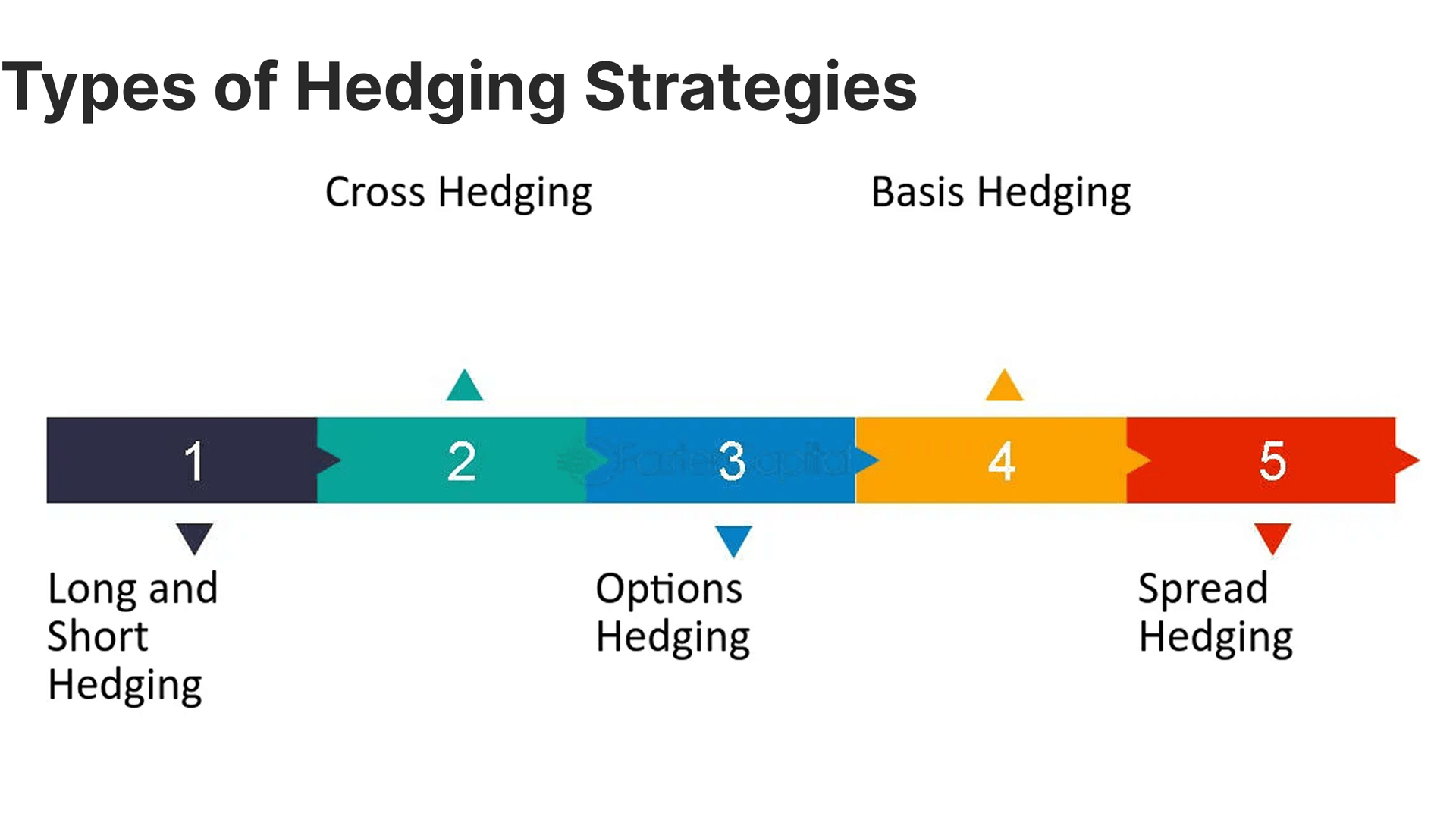
Brokers can manage this risk using derivative forward contracts, currency swaps, and hedging strategies that align asset and liability currencies.
Effective hedging is dynamic rather than static. A disciplined approach includes real-time net exposure calculation across currencies, optimized risk limits, automated hedge execution when thresholds are breached, and regular execution oversight to assess effectiveness and align strategies.
Enhancing Operational Efficiency
Cross-border liquidity deployment requires operational efficiency and centralized treasury management, leading to better decision-making and greater visibility while allowing execution to remain local.
Operators can reduce errors and cross-currency settlement delays using automated reconciliation. This approach includes predictive cash forecasting to estimate funding needs across different jurisdictions and time zones, as well as netting arrangements to reduce gross settlement volumes.
Regulatory and Compliance Considerations Across Jurisdictions
Regulatory compliance is a gating factor in cross-border liquidity management, not an operational add-on. Brokers must design liquidity structures that comply with the most restrictive regulations across all jurisdictions they operate in, while still maintaining execution efficiency and capital flexibility.
Failure to plan for compliance can limit market access, delay settlements, or expose the firm to regulatory action that impacts liquidity availability.
The regulatory comparison table below highlights how capital requirements, AML/KYC standards, and reporting obligations differ across major regions.
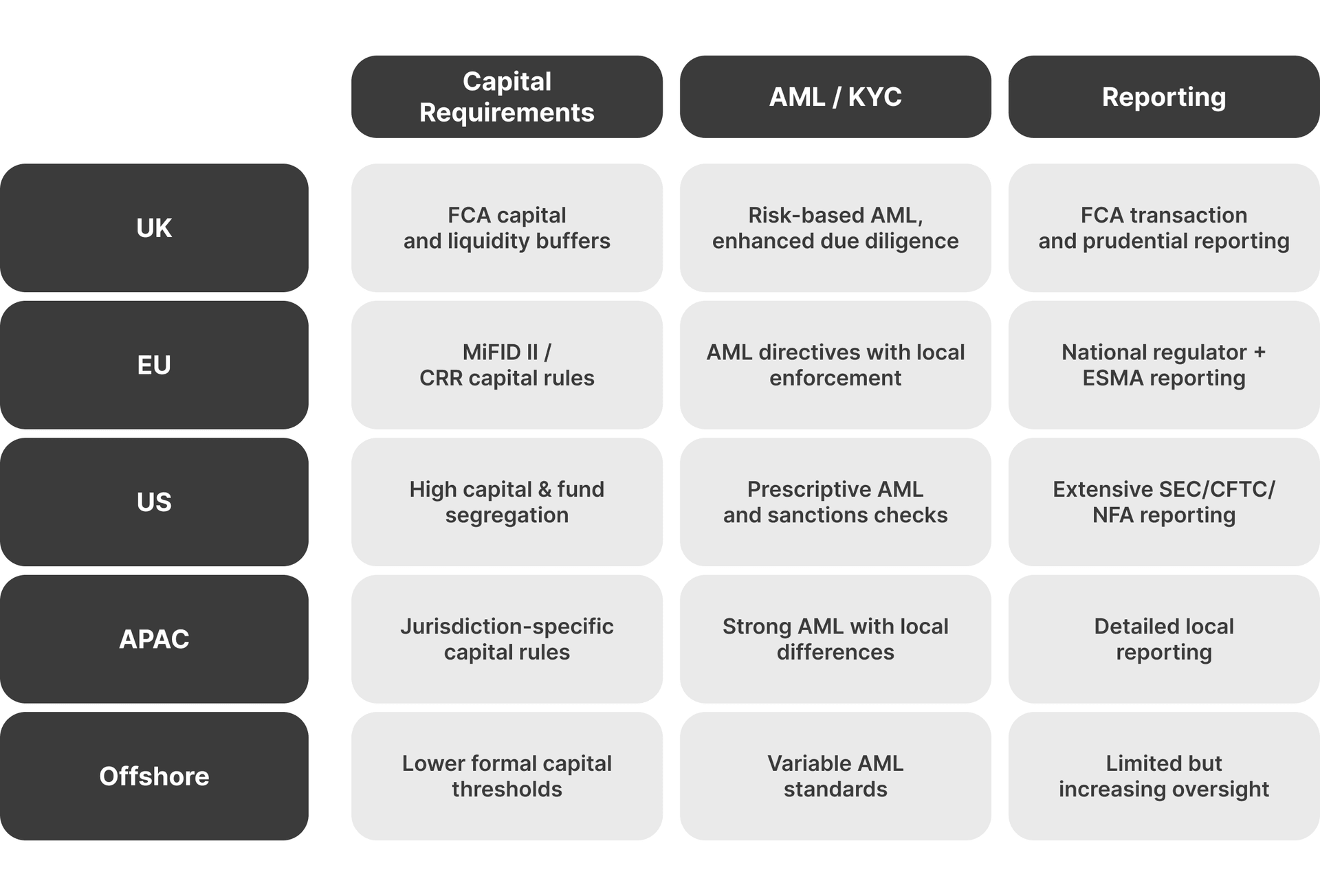
Then, to remain compliant while scaling, brokers should adopt unified KYC and AML standards that meet the highest regulatory threshold, supported by an adaptable reporting infrastructure that can handle jurisdiction-specific disclosures.
Technology Innovations and Real-Time Reporting
Modern technology enables brokers to shift from reactive liquidity streams to proactive management. This structure uses real-time data, automation, and system integrations to deploy and control liquidity across borders without increasing headcount or operational risk.
Effective global liquidity management depends on an integrated ecosystem that connects trading platforms, liquidity providers, banking firms, and compliance systems into a single operational layer. As such, brokers must find a reliable infrastructure provider that ensures compatibility among these functions within a single solution rather than running isolated systems.
Optimize Your Liquidity Infrastructure
See how our liquidity solutions enable you to grow globally, manage cross-border transactions, and serve regional clients
API Integration for Seamless Execution
FIX, REST APIs, and webhooks are robust technologies that enable real-time coordination between trading systems, liquidity providers, and banking infrastructure. This standardized messaging ensures instant balance visibility, automated routing, and reliable execution.
API-driven workflows are increasingly popular because they reduce manual intervention, support millisecond-level execution, create consistent audit trails, and allow brokers to scale without operational bottlenecks.
Automated Reconciliations and Reporting
Multi-currency settlement creates bottlenecks because each currency operates under different working hours, bank accounts, cut-off times, and intercompany systems. One way to ease this constraint is to automate reconciliation.
Automation facilitates real-time trade matching, exception-based workflows, consolidated reporting, and automated regulatory submissions, while reducing operational risk.
Best practices include starting with high-volume currencies, setting tolerance thresholds, and continuously auditing reconciliation logic to maintain accuracy as volumes grow.
Cloud-Based Risk Monitoring
Cloud infrastructure supports distributed processing and real-time analytics across regions. It is easier to manage an elastic ecosystem where systems remain responsive during volatile markets and centralized dashboards provide instant visibility into global exposure.
Brokerage firms can use predictive modeling to forecast liquidity needs and stress-test funding structures against extreme market scenarios, even before expanding into new regions or anticipated market changes.
Risk Management Approaches for Intraday and Instant Payments
Real-time payment systems compress risk into shorter windows, making it easier to track cross-border transactions and requiring faster and more precise controls.
Brokers can also handle credit risk through dynamic limits, real-time margining, and automated collateral management that enable them to oversee, control, and allocate capital more efficiently.
Operational risk controls include dual approvals, sanctions screening, and robust business continuity planning. Fraud prevention relies on anomaly detection, transaction velocity limits, and real-time alerts to identify suspicious activity before losses occur.
Steps to Simplify Global Liquidity Structures
Simplifying global liquidity structures is best approached as a phased restructuring effort that aligns treasury operations, execution workflows, technology infrastructure, and external partnerships. Brokers can reduce complexity incrementally rather than conducting a full redesign at once.
#1 Centralizing Funding and Netting
Centralized treasury models improve liquidity visibility and capital efficiency without removing local execution capabilities. By consolidating funding oversight, brokers can apply multilateral netting to offset receivables and payables across entities, reducing gross settlement volumes.
Virtual accounts and notional pooling further improve cash management and transparency, allowing firms to deploy capital more effectively. Consequently, brokers can lower operational and banking costs, reduce idle balances, and ensure real-time visibility into global liquidity positions.
#2 Establishing Clear Settlement Timelines
Mapping settlement cycles across venues, currencies, and counterparties helps brokers identify timing mismatches that create funding gaps and operational risk.
Commonly used systems include automated settlement workflows to clearly define cut-off times, while pre-funded buffer periods reduce reliance on ad hoc funding decisions.
Additionally, admins must ensure daily monitoring of settlement efficiency with clear documentation, enabling them to continuously optimize as volumes, instruments, or venues change.
#3 Choosing the Right Liquidity Solutions Provider
Brokers must evaluate liquidity providers as long-term infrastructure partners, not short-term pricing options. Brokers typically assess API quality, uptime, scalability, pricing transparency, and the ability to support 24/7 operations.
Strong operational support and predictable execution behaviour are critical for maintaining stable cross-border liquidity as the business scales.
2026 ranking of top liquidity providers across forex, crypto, and CFD markets with a focus on technology, asset coverage, and execution.
23.05.25
Taking Your Brokerage to the Next Level
Effective cross-border liquidity management allows brokers to scale globally without compromising execution quality or compliance. Success comes from combining robust technology, regulation-aware structures, and institutional-grade liquidity partnerships.
B2BROKER offers a single-integration solution that covers multi-asset liquidity aggregation, trading platforms, cross-border payments, and compliance support—all the tools you need to grow and compete on global stages.
Scale Your Brokerage Without Borders
Access institutional-grade liquidity, compliant global infrastructure, and a single integration built to support your international growth.
Frequently Asked Questions about Cross-Border Liquidity Management
- What role do liquidity providers play in cross-border liquidity management?
Liquidity providers supply executable pricing and settlement support across currencies and venues. Prime-of-prime and aggregation models allow brokers to access institutional liquidity without maintaining separate banking relationships in every region.
- How do brokers handle capital controls in emerging markets?
Brokers navigate capital controls by establishing local subsidiary structures that comply with restrictions while using trade finance facilities or currency swap agreements to repatriate funds. They also maintain relationships with central banks that understand regulatory nuances and can facilitate compliant fund movements.
- How do brokers manage liquidity when operating across multiple currencies?
Brokers manage multi-currency liquidity by centralizing visibility while distributing execution across regions. This approach combines aggregation, real-time exposure monitoring, and automated FX conversion to ensure capital is available where trading occurs.
- How does cross-border liquidity management affect execution quality?
Fragmented liquidity increases slippage, settlement delays, and pricing inconsistencies. Coordinated cross-border liquidity improves spreads, reduces funding gaps, and enables predictable execution across markets.