Last Look vs No Last Look Execution: What's the Difference?

In electronic trading environments, the way an order is executed can be just as important as the price displayed on screen. Execution models determine how trades are confirmed, whether they can be rejected, and how risk is distributed between market participants. Two of the most widely discussed execution approaches in OTC and institutional markets are last look and no last look execution.
These models represent different structural approaches to managing latency, price validation, and counterparty risk. Last look execution gives liquidity providers a brief window to accept or reject trades after receiving an order, while no last look execution requires immediate acceptance at the quoted price. Each model carries distinct implications for pricing, transparency, and execution outcomes.
This article explains how last look and no last look execution work, why they exist, and what tradeoffs they introduce for brokers, trading firms, and market participants navigating modern liquidity infrastructure.
Key Takeaways
- Last look and no last look execution are structural tradeoffs, not good-versus-bad models
- Execution models determine how risk, pricing, and transparency are distributed between participants
- Pricing, spreads, and rejection behavior are directly influenced by execution methodology
- Execution quality depends on consistency and disclosure, not just fill mechanics
- Modern brokers evaluate execution models as part of a broader liquidity and infrastructure strategy
Ready to Build a Robust Trading Infrastructure?
Access institutional-grade liquidity and execution solutions designed for modern brokers and trading venues.
What Execution Models Mean in Electronic Trading
Execution models are the operational rules that govern how prices are confirmed, accepted, or rejected when an order reaches a liquidity provider. In fast-moving electronic markets, execution methodology matters because it defines where risk sits during the critical microseconds between quote and confirmation.
For brokers and trading venues, understanding execution models is essential because these mechanics directly affect client experience, pricing competitiveness, and operational risk management. Execution isn't just about whether a trade fills; it's about predictability, consistency, and alignment with trading strategies and market conditions.
What Is Last Look Execution?
Last look execution is a model where the liquidity provider has a brief time window, typically measured in milliseconds, to review and either accept or reject a trade after receiving the order. During this interval, the liquidity provider validates whether the price at which the order was placed remains executable given current market conditions.
If the market has moved significantly or if the order triggers risk parameters, the provider may reject the trade. If conditions remain acceptable, the trade is filled at the originally quoted price.
The last look mechanism was developed to address challenges introduced by electronic trading speed and market fragmentation. As latency decreased and order flow became more sophisticated, liquidity providers needed protection against stale quotes and adverse selection, particularly from high-frequency participants who could exploit brief pricing inefficiencies.

Last look shapes forex execution more than most traders realize. Learn how it works, why it exists, and when it impacts pricing and fills.
Why Liquidity Providers Use Last Look
Liquidity providers use last look execution primarily as a risk management tool. In electronic markets where prices update in milliseconds, there is always a gap between when a price is streamed and when an order based on that price arrives.
This capability helps LPs manage several specific risks. Adverse selection occurs when sophisticated participants systematically trade against providers only when market conditions have moved in their favor. Last look reduces the profitability of latency arbitrage strategies by allowing providers to reject trades triggered by stale or outdated pricing.
Market volatility can cause rapid price movements that make previously quoted prices no longer reflective of current conditions. Last look provides a buffer during periods of high volatility when quote updates may lag behind actual market shifts.
From a liquidity provider perspective, last look is not about arbitrarily rejecting trades but about maintaining pricing integrity when market conditions change faster than quote updates can propagate. This risk management capability often allows providers to offer more competitive headline spreads than they could sustain under guaranteed execution models.
Launch your own Liquidity Business – Turnkey Solution
Ready-to-Go Setup with Technology, Licenses & Connections
Access to Deep Multi-Asset PoP Liquidity Pools
Built-In Risk Management and Reporting Systems
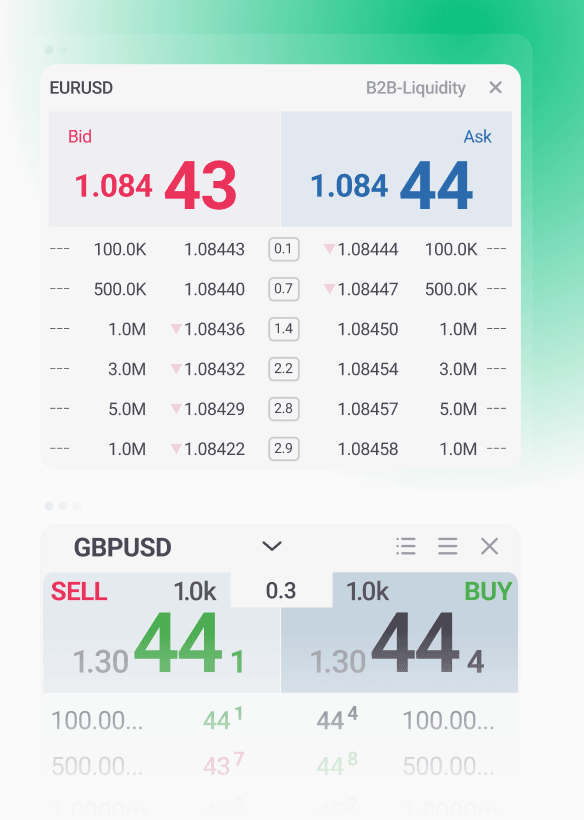
What Is No Last Look Execution?
No last look execution is a model where trades are either filled or rejected immediately based on pre-defined rules, without any discretionary review period after the order arrives. When a liquidity provider quotes a price under no last look, that price is either executable or not—there is no intermediate validation window.
Under this model, if an order reaches the liquidity provider's system while the quoted price is still active and available, execution occurs immediately at that price. Rejection only happens if the order arrives after the price has already been updated or withdrawn, or if it violates pre-agreed parameters such as order size limits.
No last look execution is often associated with greater price certainty because participants know that executable quotes will be honored without post-trade review. This deterministic behavior makes execution outcomes more predictable, which is particularly valuable for certain trading strategies that depend on reliable fills.
Why Some Markets Prefer No Last Look
Certain market participants and trading strategies favor no last look execution because it provides clearer execution expectations and eliminates the uncertainty introduced by discretionary rejection windows.
High-frequency traders and market makers often prefer no last look because their strategies depend on predictable execution outcomes and tight timing. Execution transparency is another driver of no last look preference. When execution rules are deterministic rather than discretionary, participants can better understand why trades fill or fail.
However, no last look does not eliminate execution risk, it simply redistributes it. Liquidity providers operating under no last look must price defensively to account for the guaranteed execution commitment, which typically results in wider spreads compared to last look environments. This pricing adjustment reflects the additional risk that providers assume by removing their ability to validate orders post-arrival.
Key Differences Between Last Look and No Last Look Execution
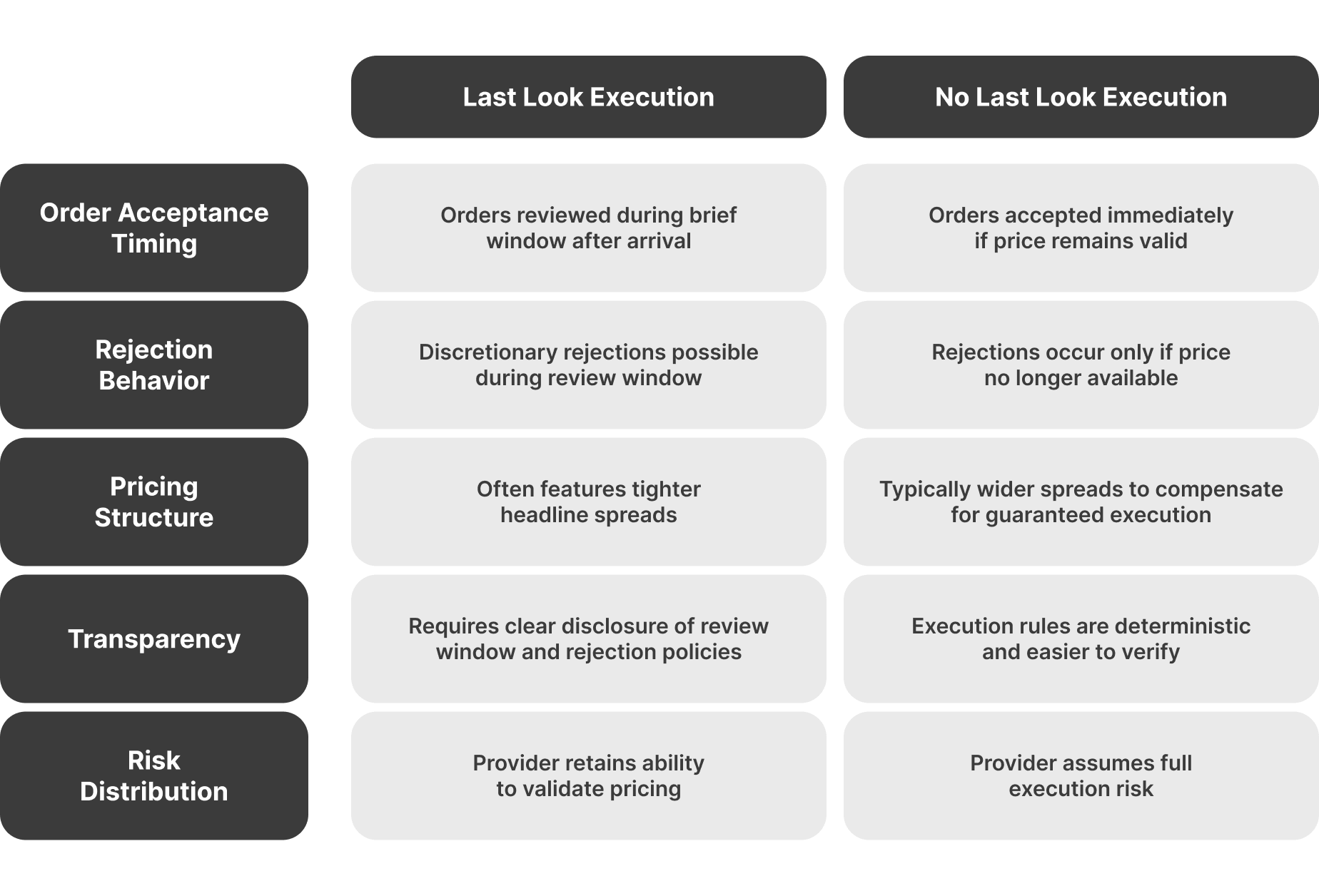
The practical differences between last look and no last look execution extend beyond the simple presence or absence of a review window. These differences shape pricing behavior, execution outcomes, and risk distribution across the trading lifecycle.
Order Acceptance and Timing
- Last Look: Orders are reviewed during a brief window (typically milliseconds) after arrival, allowing providers to validate pricing and risk parameters before confirming execution
- No Last Look: Orders are accepted immediately upon arrival if the quoted price remains valid, with no intermediary review step
Rejection Behavior and Predictability
- Last Look: Discretionary rejections can occur during the review window based on internal risk criteria, market volatility, or liquidity constraints, introducing unpredictability even when prices appear valid
- No Last Look: Rejections are deterministic and occur only when the quoted price is no longer available, creating a more transparent and predictable trading environment
Pricing Structure and Spread Dynamics
- Last Look: Features tighter headline spreads, as providers can reject unfavorable trades during the review window, allowing more competitive upfront pricing
- No Last Look: Typically comes with wider spreads to compensate providers for assuming full execution risk without a review safety net
Transparency and Execution Clarity
- Last Look: Requires disclosure of review windows and rejection policies, but discretionary rejections make it harder for traders to anticipate outcomes or audit provider behavior
- No Last Look: Offers greater transparency with deterministic execution rules that are easier to verify. Rejections tie directly to observable market conditions
Risk Distribution Between Parties
- Last Look: Provider retains the ability to validate pricing post-order, shifting execution risk partially onto the trader who may face rejection after submitting valid orders
- No Last Look: Provider assumes full execution risk and must honor quoted prices if the trader acts within the validity window, placing greater responsibility on real-time pricing accuracy
Optimize Your Liquidity Strategy
Access deep liquidity pools and flexible execution models tailored to your trading infrastructure.
Execution Quality Beyond Fill or Reject
Execution quality is often reduced to a binary question: did the trade fill or not? While fill rates matter, this framing overlooks important dimensions of execution performance that affect real trading outcomes.
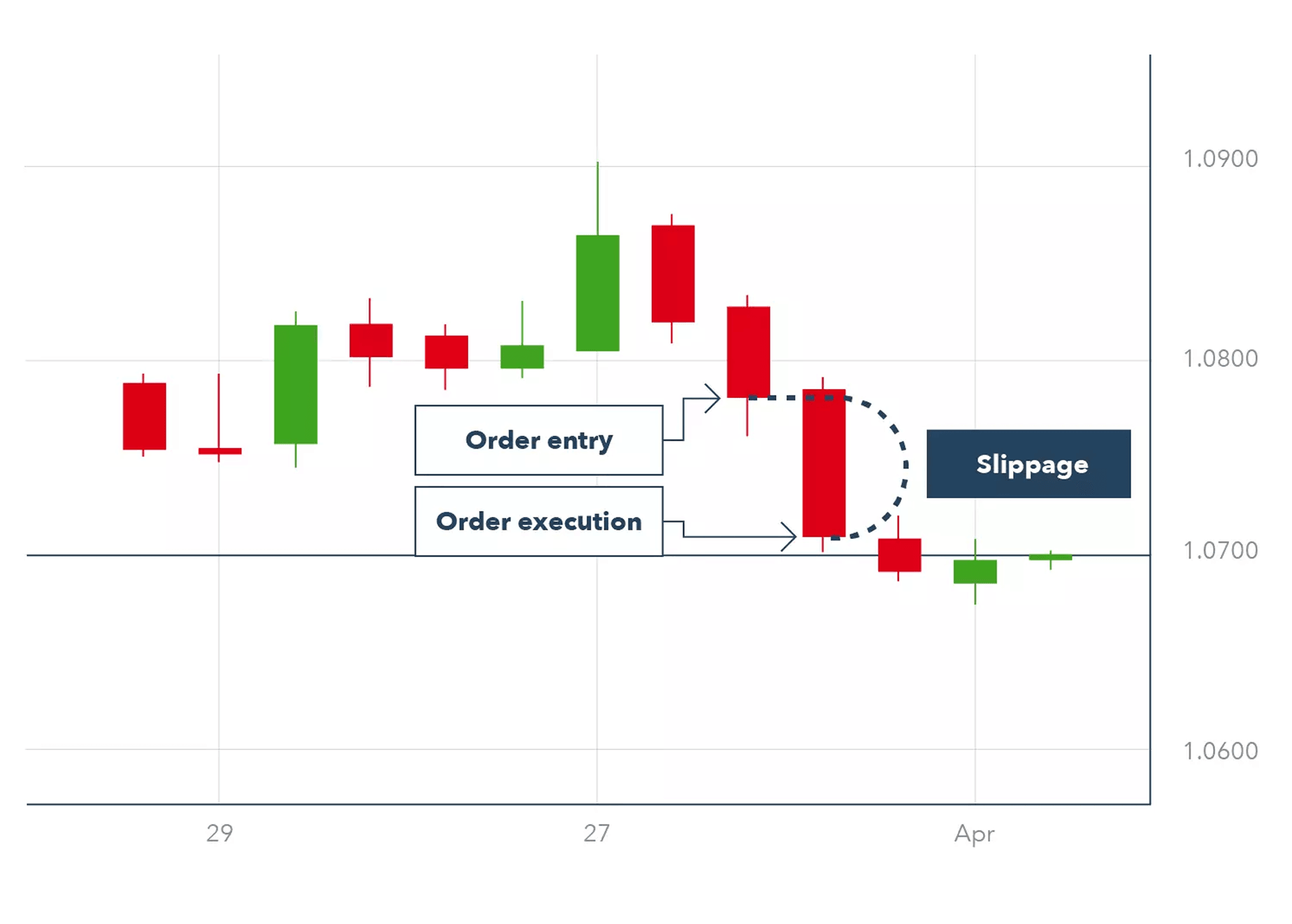
Slippage behavior—the difference between expected and actual execution prices varies significantly across execution models. Last look environments may show lower slippage on accepted trades because providers validate pricing before confirmation, but rejected trades that must be resubmitted can experience effective slippage when prices move between attempts.
Consistency of execution is another critical quality dimension. An execution model that produces predictable outcomes, whether through reliable fills under no last look or transparent rejection policies under last look, provides more value than one with opaque or inconsistent behavior.
For brokers and trading venues, measuring execution quality requires looking at aggregated performance over time: average slippage, fill consistency, rejection patterns under different market conditions, and total execution cost including both spread and market impact.
How Execution Models Impact Different Trading Strategies
Different trading strategies have different execution priorities, which means execution model preferences vary significantly across market participants.
High-frequency trading strategies typically favor no last look execution because these strategies depend on precise timing and predictable fills. Market making strategies similarly benefit from deterministic execution because they need to manage inventory risk through rapid hedging.
Discretionary traders and longer-term position builders may be less sensitive to execution certainty and more focused on minimizing spread costs. For these participants, last look execution with tighter spreads can offer better value, as occasional rejections during entry or exit are less disruptive to overall strategy performance.
Understanding these relationships helps brokers design execution infrastructure that serves their target client base effectively.

What is a crypto liquidity provider? Things to consider, and why B2BROKER has the best liquidity solutions for brokers and exchanges in 2025?
14.02.23
Transparency, Fairness, and Market Perception
Last look execution has been subject to significant debate within financial markets, particularly around questions of fairness and transparency. The core concern raised by critics is that it creates an information asymmetry where liquidity providers can observe incoming order flow during the review window.
Industry bodies and regulators have responded by establishing standards around last look disclosure and usage. Transparency in last look environments requires clear disclosure of review window duration, rejection rates, and the criteria used for trade acceptance. When these factors are disclosed and consistently applied, last look can operate with high levels of trust and market integrity.
No last look execution is often positioned as more transparent because execution rules are deterministic. However, transparency ultimately depends on clarity of disclosure regardless of execution model. A poorly documented no last look setup can be less transparent than a well-disclosed last look environment.
Fairness is not determined by execution model type but by how transparently and consistently the model is implemented and disclosed.
Choosing an Execution Model as a Broker or Venue
Brokers and trading venues face important decisions when structuring their execution infrastructure. Several factors influence execution model selection:
Client base and trading profile: Venues serving high-frequency participants may prioritize no last look execution to meet client expectations for deterministic fills. Brokers serving retail or discretionary traders may find that last look execution with tighter spreads better aligns with client priorities.
Liquidity provider availability: Not all liquidity providers support both execution models. Broker execution choices must align with available liquidity sources and the terms under which that liquidity is offered.
Risk management capabilities: Last look execution requires robust technology and clear policies for managing the review window and rejection decisions.
For venues evaluating execution infrastructure, understanding OTC trading platform capabilities is essential to making informed decisions.
Power your Brokerage with Next-Gen Multi-Asset & Multi-Market Trading
Advanced Engine Processing 3,000 Requests Per Second
Supports FX, Crypto Spot, CFDs, Perpetual Futures, and More in One Platform
Scalable Architecture Built for High-Volume Trading
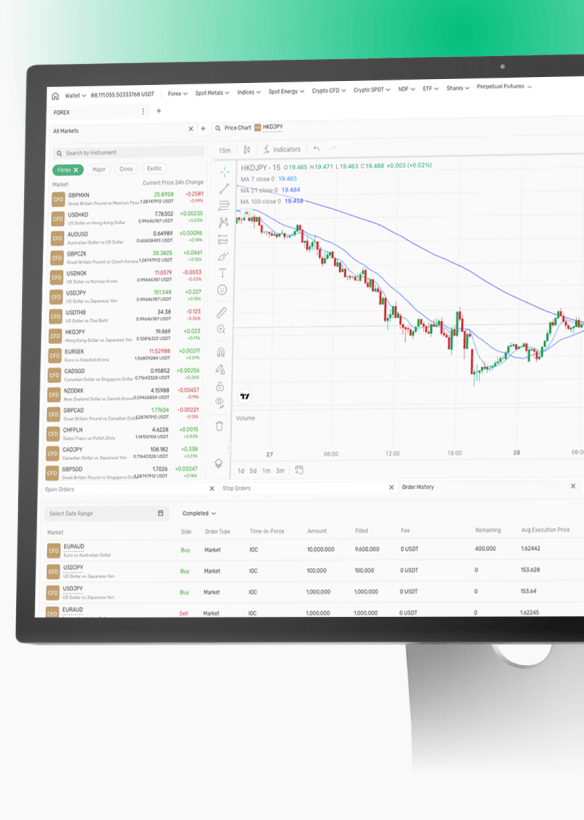
Execution Flexibility in Modern Liquidity Infrastructure
Modern liquidity and trading infrastructure increasingly supports multiple execution models within a single operational framework. This flexibility allows brokers to serve diverse client needs while optimizing liquidity access and risk management.
Multi-source liquidity aggregation enables brokers to connect with liquidity providers offering different execution models and route orders intelligently based on client preferences, order characteristics, or market conditions.
Execution policy customization allows brokers to configure execution behavior at the client or order level. This flexibility represents an evolution from earlier market structures where brokers typically committed to a single execution approach.
How B2BROKER Supports Different Execution Preferences
B2BROKER provides liquidity and infrastructure solutions designed to support brokers and trading venues with diverse execution requirements. Rather than prescribing a single execution approach, B2BROKER's infrastructure accommodates multiple execution models based on broker needs and client profiles.
The platform offers access to institutional-grade liquidity across forex, crypto, and other asset classes through connections with multiple liquidity providers operating under different execution methodologies. B2BROKER's technology infrastructure supports flexible execution routing, enabling brokers to configure how orders flow to different liquidity sources based on execution priorities.
Transparency and disclosure capabilities are built into B2BROKER's execution infrastructure, providing brokers with tools to clearly communicate execution policies to clients and monitor execution quality metrics over time.
Build Your Execution Infrastructure with B2BROKER
Access flexible liquidity solutions and execution technology designed for modern brokers and trading venues.
Frequently Asked Questions about Last Look vs No Last Look in Execution
- Is last look execution always worse for traders?
Last look is not inherently negative, as it helps liquidity providers manage risk and offer competitive pricing. The impact depends on how the model is implemented and disclosed, as well as how often trades are rejected or re-priced.
- Does no last look execution guarantee better pricing?
No last look execution guarantees price certainty, not necessarily better pricing. Liquidity providers often widen spreads to compensate for the additional risk they assume under this model.
- Why do some brokers offer both execution models?
Offering multiple execution models allows brokers to serve different client segments with varying execution priorities. It also provides flexibility in managing liquidity sources and crypto or fx market conditions.
- How does execution model choice affect liquidity access?
Execution models influence which liquidity providers are available and under what pricing terms. Some providers only support last look, while others specialize in no last look environments.
- Is execution transparency about the model itself or the outcomes?
Transparency depends on both clear disclosure of execution rules and consistent execution behavior. A well-disclosed use of last look model can be more transparent than a poorly explained no last look setup.
Recommended articles