When Is a Broker Ready for an Enterprise-Grade CRM?

Moving to an enterprise-grade Customer Relationship Management (CRM) system is a strategic inflection point that affects the business scale, trading volume, and user activity. Can any broker shift to institutional-grade solutions?
At early stages, many brokers rely on simple or generic CRM software to manage onboarding, sales metrics, and basic contact management. These systems often work well during initial growth and first steps. However, as the business thrives, platforms will need much more sophisticated software to deal with more complex tasks.
An enterprise-grade CRM becomes vital when trading volumes increase, jurisdictions overlap, and compliance expectations tighten. This is where operational strain comes to the surface.
Preparing for this transition is not defined only by the budget. Brokers must align processes, data, and people at scale, ensuring minimal friction during this upgrade.
In this guide, we will navigate operational signals indicating your brokerage’s readiness for institutional growth, enterprise-grade specifications, and a useful checklist across teams, workflows, and data.
Key Takeaways
- Broker readiness for an enterprise-grade CRM is driven by operational strain, compliance complexity, and growth ambition.
- Clean data and documented processes are prerequisites for a successful CRM migration, not follow-up tasks.
- Phased migration and parallel system runs reduce risk to live trading operations during transition.
- Enterprise CRM infrastructure enables multi-asset expansion, better retention, and more efficient scaling without linear headcount growth.
What Makes a CRM Enterprise-Grade for Brokers?
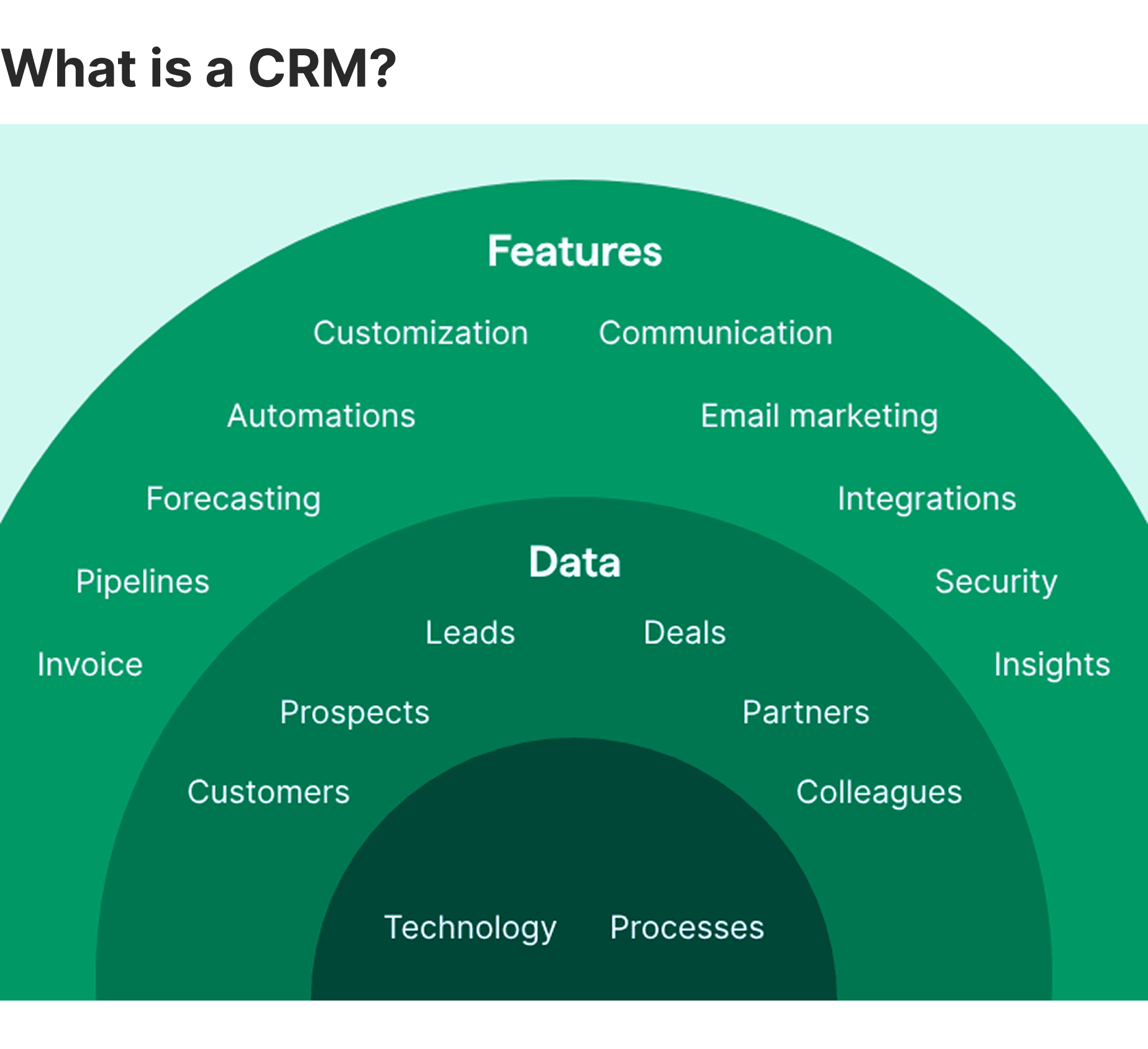
The term “enterprise-grade” is frequently used, but not everyone understands it. In the brokerage industry, it refers to the depth of infrastructure integration, and not how well the user interface is designed.
Common CRMs, whether generic or bespoke, may offer customization, dashboards, automation capabilities, and marketing strategies. However, brokerage workflows extend far beyond sales management. They intersect with real-time trading activity, regulatory reporting, and liquidity routing.
As such, “enterprise-level” means a CRM that is directly integrated with trading platforms, back-office systems, compliance tools, and liquidity providers, and can handle high client volumes and large transaction flows without performance issues.
A typical institutional-level broker CRM must do the following:
- Support multi-entity structures across jurisdictions with distinct compliance requirements.
- Synchronize trading data entries from trading platforms, such as MT4, MT5, and cTrader, and liquidity pools.
- Maintain detailed audit trails directly linked to account status and transaction history.
- Enable configurable automation across onboarding, risk monitoring, and withdrawals.
This way, the CRM becomes a shared operational layer across departments. For example, the dealing desk relies on it for exposure visibility, while the compliance officers use it for documentation tracking and reporting, and the support team accesses it to resolve customer queries.
So, how can you tell the difference between the enterprise-grade capability you actually need and functionality that may be premature for your status?
The key test is constraint. If produce launches require technical workarounds, if compliance checks rely on manual validation, or if risk visibility goes through cross-referencing multiple systems, the infrastructure is struggling to grow. This is where enterprise-class capabilities become vital, when operational friction begins limiting strategic expansion.
All-In-One CRM & Back Office for Brokers and Exchanges
Fully Customisable Trader’s Room with Modular Features
Built-In IB Module, KYC, Payment Integrations, and Reporting Tools
Intuitive Interface that Boosts Client Engagement
Operational Warning Signs Your Brokerage Has Outgrown Its CRM
Infrastructure strain does not happen suddenly. You must monitor the signs to track your platform’s growth and identify potential blockers.
Here are typical early warning indicators:
Rising Onboarding Times and KYC Failures
When onboarding is done manually, and data is handled with disconnected verification tools, account activation times increase, leading to client frustration and overwhelmed teams.
Also, compliance teams spend more time chasing missing records, and teams lose visibility into sales cycles.
The result of this fragmentation is operational inefficiency, delays, and higher abandonment rates. In competitive financial markets, traders expect fast onboarding, and customers are more likely to switch to a competitor that offers a smoother activation process.
This is where an enterprise CRM becomes necessary, centralizing KYC workflows, automating status updates, and streamlining compliance checks according to regulatory requirements.
Manual Reconciliations Between CRM and Trading Data
If balances, open positions, and account statuses are manually checked between the CRM and the trading platform, your infrastructure is misaligned.
Manually managing data leads to inconsistencies, increased compliance exposure, and elevated client dispute risk. As a result, support teams may provide incorrect information, or compliance teams may generate inaccurate reports, aggravating your operational risks.
Therefore, a well-synchronized platform ensures all integrations work frictionlessly, and all trading activities and client records are aligned.
API Limitations Blocking New Product Launches
Closed architecture limits your strategic expansion, making it technically impossible to add new asset classes, wallets, payment methods, or a new copy trading module.
At the same time, workarounds, such as integration patches, increase technical debt, which can overwhelm the system and degrade stability and performance.
Enterprise-grade CRMs solve this issue by offering flexible API frameworks that allow brokers to integrate new services without disrupting the entire workflow.
Compliance Workarounds and Spreadsheet Dependency
Managing compliance through spreadsheets and manual records is not very efficient. When teams track deadlines, exposure thresholds, and documentations outside the CRM, human errors can happen, and delays become inevitable.
This shadow system introduces data inconsistencies, audit vulnerabilities, and the risk of dependency on key personnel. An institutional-level CRM streamlines these activities and centralizes data management within a single operating layer.
Explore B2CORE
See how our CRM boosts your client management, mobile app trading, and compliance screening.
Broker-Specific Capabilities an Enterprise CRM Must Deliver
When evaluating the right CRM solution, there are key features and add-ons that you need to ensure, such as trading platform integration, real-time risk monitoring, and client data management.
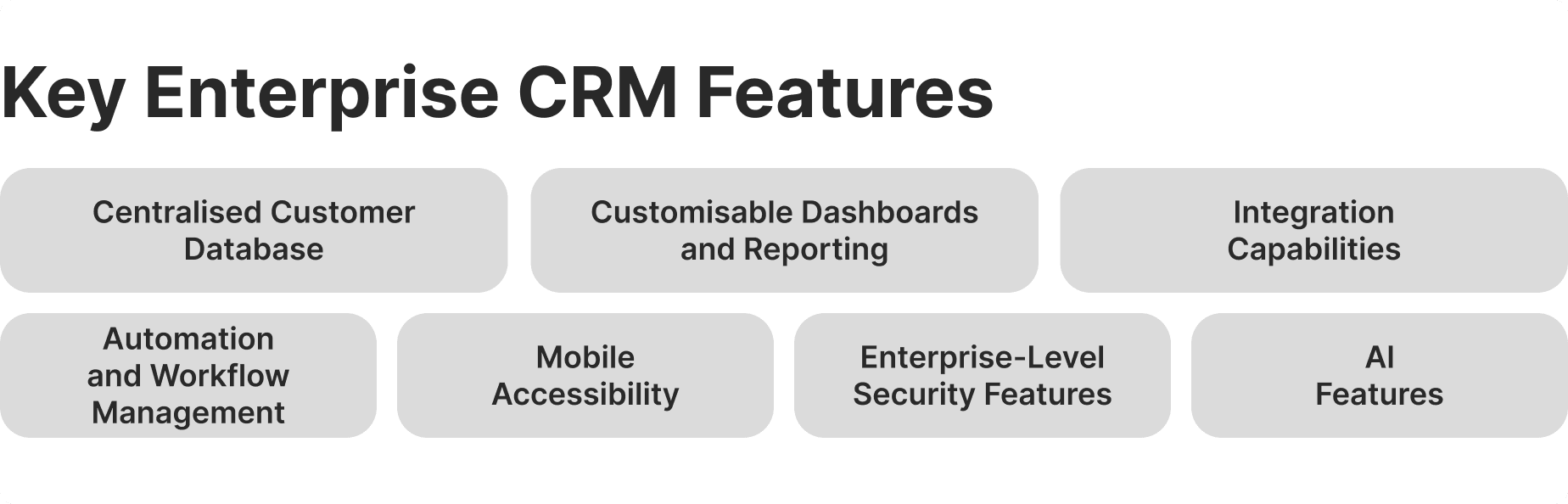
Let’s dive deeper into this checklist.
Native MT4/MT5 and Liquidity Platform Integrations
Native connectivity with liquidity providers and trading platforms, such as MT4 and MT5, is crucial. Otherwise, relying on external connectors may introduce latency or data mismatches. Here’s why real-time integration matters:
- Account balances reflect current trading activities.
- Margin status and collaterals are updated automatically.
- Exposure data flows directly into reporting dashboards.
A robust CRM that connects seamlessly with your platform can automate repetitive tasks, empower support teams to reduce response times, and support risk and compliance teams during reconciliations and audits.
End-to-End Client Lifecycle Automation
The user’s journey from lead generation to active trading must be seamlessly designed and automated to minimize friction and encourage engagement. As such, the end-to-end client lifecycle must be well-designed as follows:
- Lead management based on jurisdictions and regulatory constraints.
- AML/KYC screenings with automated workflows.
- Trading permission is tied to account status and compliance checks.
- Withdrawal approval thresholds are aligned with risk profiles.
These CRM tools make new lead registration, identity verification, account activation, and funding frictionless, optimize time-to-trade, and reduce churn rates.
Real-Time Risk and Reporting Visibility
Risk management and reporting capabilities must also be embedded directly within the system, including real-time tracking tools and early fraud-detection software. Here’s what you can expect:
- Clear exposure dashboards across instruments and entities.
- Transparent revenue segmentation by client profile.
- Compliance reporting is aligned with jurisdictional requirements.
- Full audit trails with timestamps linked to user actions.
Risk visibility supports faster intervention, better decision-making, and more confident expansion into new markets.
Get an Institutional-Grade CRM
Explore our all-in-one CRM with advanced lead management, email marketing, and sales forecasting capabilities
Readiness Checklist Across People, Processes, and Data
Migration to enterprise-grade CRM requires full readiness across people, processes, and data. Undermining this readiness checklist can lead to delays and pricing overruns. Here’s what a typical readiness check looks like:
People
Executive sponsorship ensures accountability is necessary, where senior managers and the board of directors lead the transition, encouraging other departments and team members to engage in this shift.
Departmental buy-in, data alignment, and clear migration guidelines ensure a seamless integration and simpler adoption.
Processes
Brokers often attempt to automate undocumented processes, which leads to migration errors and configuration confusion during implementation.
Therefore, jurisdiction-specific onboarding steps must be clarified, compliance escalation logic optimized, trading permissions personalized, and withdrawal approvals automated.
Data
Data cleanliness determines migration speed, as non-unified data and fragmentation across multiple software lead to delayed transition.
This standardization process must include client profiles, account statuses, compliance documentation, and transaction logs. Data cleaning before migration prevents implementation delays and post-launch inaccuracies.
Phased Migration Plan to Minimize Trading Disruption
A staged migration approach is generally recommended to avoid service disruptions and to accurately and timely track potential misalignments.
A well-executed migration strategy typically includes:
- Sandbox testing with historical data.
- Parallel system runs to validate synchronization.
- Incremental rollout by desk, region, or client segment.
- Defined rollback procedures with a clear course of action.
- Post-launch KPI monitoring for onboarding speed, reconciliation accuracy, and support ticket volume.
Based on previous CRM implementations, successful migrations prioritize stability over speed. Teams often require the most support during data mapping and integration validation, where mismatched fields or undocumented workflows are more common.
Unlocking Scalable Growth With B2BROKER
Enterprise-grade CRM readiness is a signal of operational maturity, where traditional systems become insufficient to cope with growing user demand and trading volume. It reflects that the broker’s infrastructure is ready for an upgrade.
B2BROKER is a reliable fintech solution partner, with 10+ years of experience serving 500+ brokers and empowering them with multi-asset liquidity access, pre-integrated trading platforms, advanced wallet infrastructure, and one of the best CRM systems.
With a centralized back office and fully-compliant ecosystem, B2BROKER supports your growth into new markets and assets, enabling you to scale and compete from day one.
Take the Next Step
Evaluate your enterprise CRM readiness in a free consultation session with our experts
Frequently Asked Questions about Enterprise Grade CRM
- What is an enterprise-grade CRM for brokers?
An enterprise-grade CRM is a client management platform designed for large-scale broker operations, with native trading integrations, AI-powered compliance, marketing automation, and support for multi-entity, multi-jurisdiction environments.
- How do I know if my brokerage is ready to upgrade to an enterprise CRM?
You are likely ready if onboarding is slowing, client relationships are manual, compliance relies on spreadsheets, or technical limitations are blocking new products. These signals indicate your current CRM is constraining growth.
- How long does it take to migrate from a legacy broker CRM?
Timelines vary based on data quality and integration complexity, but phased migrations with native platform connectors typically complete faster than full rebuilds on generic CRM platforms.
- What data should be cleaned before migrating to an enterprise CRM?
Client identity records, compliance documents, account status fields, and historical transaction mappings should be prioritized, as they directly affect regulatory reporting and trading operations.
- Can an enterprise CRM integrate with proprietary trading platforms?
Yes. Enterprise broker CRMs with open API architectures can integrate with proprietary platforms, though integration effort depends on the platform’s technical documentation and data availability.