Why Low Spreads Matter for Forex Brokers


If you are a Forex trader or broker, you would know that spread is always the marketing headline. Most FX platforms promote “EUR/USD from 0.0 pips” or “ultra-tight GBP/USD spreads”. Are these claims real?
In practice, spreads are direct reflections of the broker’s pricing plan, execution quality, and liquidity access. They are not an isolated feature, but an outcome of how brokers source liquidity, manage risks, and operate in financial markets.
Forex trading spreads are competition factors, affecting user acquisition, long-term retention, trading volume, and the overall user experience. That’s why brokers who consistently offer stable, competitive spreads are better positioned to attract more traders and generate higher value over time.
In this article, we will explain how spreads work from an operational perspective, examine how they are formed, and what infrastructure is required to sustain them.
Key Takeaways
- Low spreads are a core competitiveness factor that reflects a broker’s liquidity access, execution model, and operational efficiency.
- Sustainable low spreads depend on aggregation, provider diversity, and execution quality rather than aggressive pricing alone.
- Liquidity access and execution models play a larger role in spread quality than marketing claims or minimum advertised numbers.
- Brokers that treat low spreads as part of a broader infrastructure strategy are better positioned to scale over time.
Discover the Tools That Power 500+ Brokerages
Explore our complete ecosystem — from liquidity to CRM to trading infrastructure.
What Forex Spreads Are and How They Work
A Forex pair’s spread is the difference between the bid and ask price of a currency pair. It represents the primary cost of trading when entering and exiting positions. Most traders perceive spreads as client-facing fees, while from the broker’s perspective, they are a pricing mechanism shaped by market conditions and internal execution decisions.
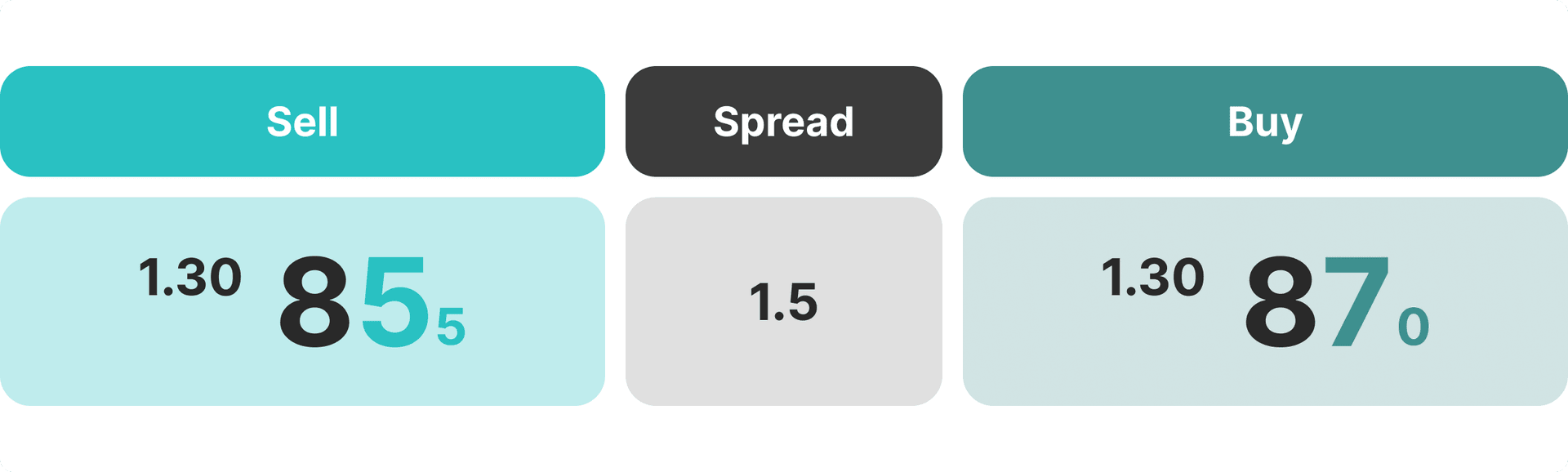
Bid-ask differences are derived from raw prices that the liquidity provider delivers, which are then adjusted for markups, risk exposure, and operating costs. As such, the final spread that traders see is the result of the broker’s strategy on liquidity, pricing, execution, and risk tolerance.
That’s why spreads are often seen as the real-time indicator of how effectively the broker’s infrastructure is connected to the broader market.
FX spread is not a fixed number; it fluctuates continuously based on asset availability, market volatility, and provider behavior. Brokers must manage these factors dynamically to deliver a competitive pricing and trading experience.
Why Spread Levels Influence Broker Performance
“Why Spread Levels Influence Broker Performance?” Simply because the lowest spreads mean more efficient trading.
When transaction costs are low, traders are more likely to open orders more frequently, hold positions longer, and deploy cost-sensitive strategies such as scalping or automated trading. Over time, this translates into higher volumes and stronger client engagement.
Beyond volume, spreads also influence perceived execution confidence. Most traders associate tight pricing with fair pricing and professional infrastructure. In contrast, inconsistent buy/sell price differences that widen frequently can undermine trust.
Thus, spreads should not be treated in isolation. They are merely foundational market positioning metrics that target high-frequency traders and institutional investors. In trading, many factors come into play, such as platform stability, execution speed, and transparency—all of which affect the order processing journey.
How Brokers Form and Manage Spreads
Bid-ask price differences are shaped by several factors.
Firstly, the upstream liquidity pricing depends on the depth, quality, and competitiveness of connected liquidity providers. Brokers who aggregate pricing from multiple vendors tend to have high-liquidity order books and can offer tighter spreads than those relying on a single provider.
Secondly, the execution model is another factor. Whether a broker routes traders externally, internally, or a mix of both affects how much risk the broker absorbs and how spreads compensate for that exposure.
Other costs include aggregation engines, bridge software, and hosting, which collectively affect pricing strategy and decision-making.
From a regulatory perspective, jurisdictions focus on pricing transparency and fair execution, monitoring how brokers structure spread accounts across major currency pairs and pricing practices, which must be clearly disclosed and consistently reported.
One thing to note is that lower spreads are achieved not by compressing the broker’s margins to unsustainable levels. Instead, they result from efficient infrastructure, scalable operations, and access to high-quality liquidity pools and trading venues.
Access Ultra-Tight Spreads
Explore deep liquidity streams and aggregation engines that equip you with competitive pricing
Fixed Spreads vs. Variable Spreads
There are two models for bid-ask price differences that determine how risk is distributed between brokers and traders.
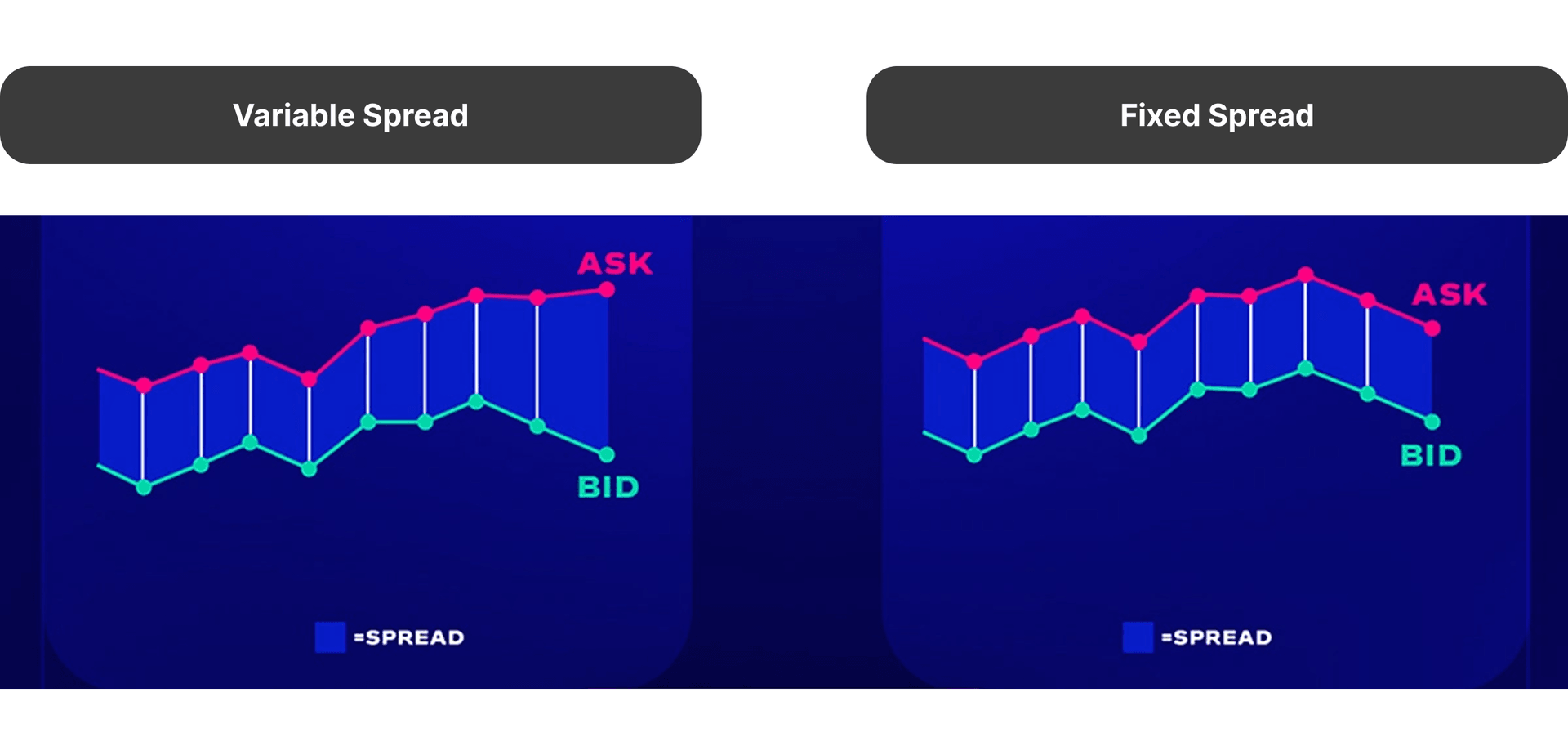
Fixed spreads remain constant regardless of market conditions, while variable spreads fluctuate based on liquidity and volatility patterns. Here’s how they work in practice:
- Fixed spreads: Brokers absorb market risk during volatile and illiquid periods, requiring wider baseline pricing or additional risk controls.
- Variable spreads: Real market dynamics are passed to traders, allowing brokers to maintain stability and reflect real-time pricing.
Choosing between fixed and variable models is a strategic decision that depends on the broker’s target audience, execution setup, and infrastructure readiness.
How Market Conditions Affect Spread Behavior
Spreads naturally widen during periods of low liquidity, high volatility, or increased market uncertainty. During such conditions, liquidity providers may reduce quote sizes, widen pricing, or withdraw temporarily to manage their own risk exposure.
This is a systemic behavior because when market depth becomes thinner, competition decreases between providers and pricing becomes less aggressive. Consequently, brokers reflect these changes in their price offerings to maintain execution stability and avoid inconsistent order fills.
Therefore, brokers must configure their pricing effectively, and an ideal spread management strategy depends on diversification that streams quotes from various pools, and smart order routing tactics that find the best execution destination.
The Role of Liquidity Access in Maintaining Low Spreads
Accessing deep multi-asset liquidity pools is one of the most important factors for boosting trading activity and client acquisition—why? Brokers connected to multiple liquidity sources benefit from price competition between providers, and can choose the ideal execution path that aligns with the trader’s expectations and the broker’s objectives.
Moreover, liquidity aggregation enables brokers to scan and consolidate quotes from banks, non-bank financial institutions, market makers, and other trading venues into a single order book. This layer improves price discovery, enhances resilience, and reduces reliance on a single vendor.
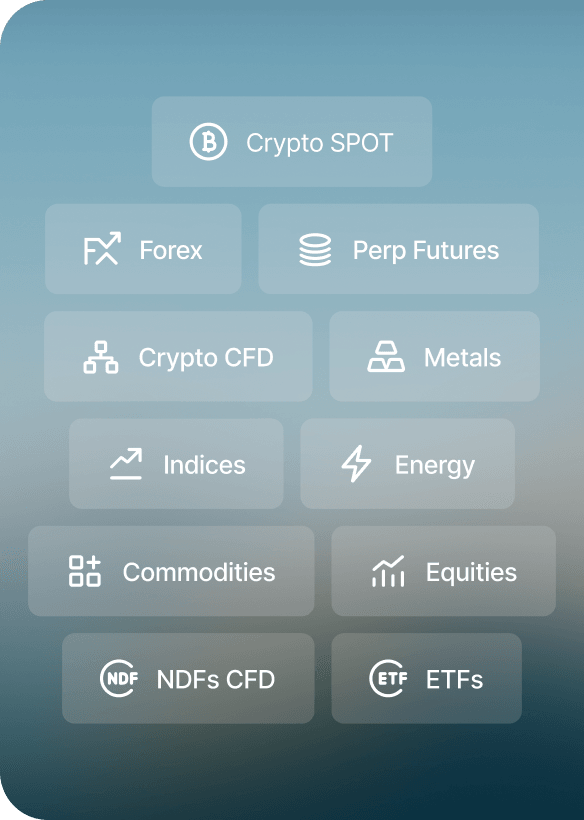
Deep, Reliable Liquidity Across 10 Major Asset Classes
FX, Crypto, Commodities, Indices & More from One Single Margin Account
Tight Spreads and Ultra-Low Latency Execution
Seamless API Integration with Your Trading Platform
Aggregated Liquidity and Price Competition
Liquidity aggregation improves spread quality by selecting the best available ask and bid prices across multiple sources in real time. Instead of relying on one provider’s pricing, brokers can dynamically route orders to the most competitive quotes available, resulting in tighter and more consistent spreads.
Prime-of-Prime Access and Institutional Pricing
Prime-of-prime models allow brokers to access institutional-grade liquidity without establishing direct tier-1 relationships. This structure supports consistent spread quality as trading volumes grow, enabling brokers to scale pricing competitively without operational complexity.
Execution Models and Their Impact on Spreads
A-book, B-book, and hybrid book are execution models that influence how spreads are formed and managed. Each model involves trade-offs among pricing flexibility, execution transparency, and operational complexity.
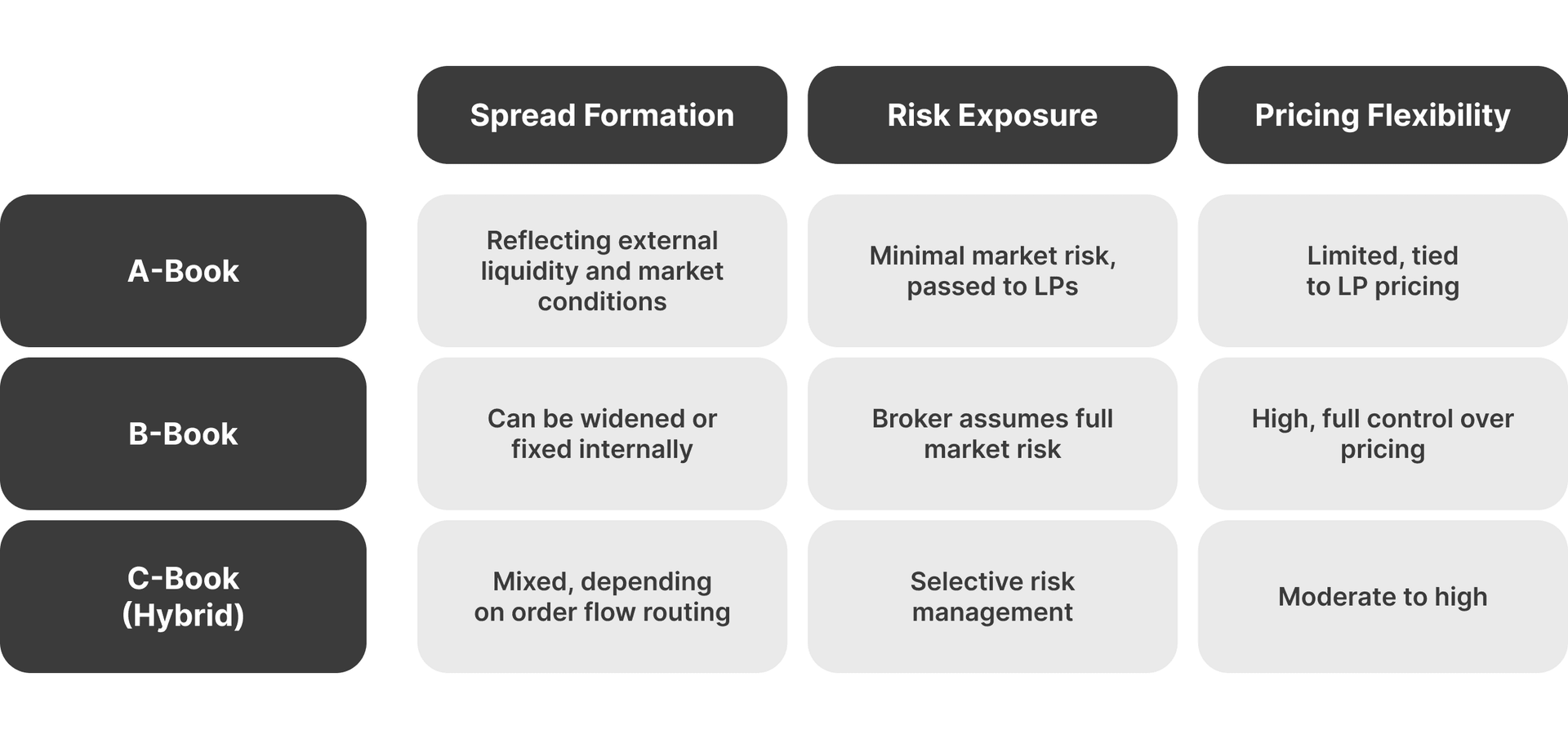
The optimal choice depends on the client’s profile, risk appetite, and infrastructure capabilities, rather than on perceived superiority.
Why Low Spreads Matter for High-Frequency and Algorithmic Trading
High-frequency and algorithmic trading strategies are extremely sensitive to transaction costs. Even the smallest increases in bid-ask differentials can materially impact execution decisions and fill rates, especially when processing hundreds or thousands of trades per day.
Therefore, HFT platforms or algo-traders prioritize ultra-low spreads, besides low latency, reliable routing, and stable infrastructure. Otherwise, slippage might happen, and positions will be settled at a different price than requested.
Execution Quality Beyond Spread Size: What to Know
Low spreads alone do not guarantee good execution. You have to consider the following factors:
- Latency: delay between sending and filling an order.
- Slippage: execution at a worse price than quoted.
- Order rejections: orders that fail due to price or liquidity changes.
- Routing logic: rules that determine where orders are executed.
These factors determine whether advertised pricing is actually achievable in live trading. For example, traders may prefer a slightly wider spread that is consistently executable over an advertised minimal spread that executes poorly.
Build the Ideal Brokerage Infrastructure
Customize your trading platform with white-label setup, pre-integrated liquidity, and ultra-fast execution engine
What Brokers Should Evaluate When Competing on Spreads
Before positing your brokerage as a low-spread platform, you must evaluate the readiness of your infrastructure, including the following:
- Liquidity diversity: Access to multiple, high-quality liquidity sources to maintain ideal pricing across market conditions.
- Execution transparency: Clear visibility into pricing, fills, and execution outcomes to validate advertised spreads.
- Risk controls: Systems to manage exposure, volatility, and toxic flow without widening the pip spread unnecessarily.
- Operational scalability: Infrastructure that supports high volumes and peak activity without degrading execution quality.
These factors determine whether low spreads are sustainable and commercially viable over time, even amid changing market conditions.
How Low Spreads Fit Into a Multi-Asset Strategy
Low spread in Forex markets does not happen by itself. Multi-asset brokers often rely on aggregated liquidity, pricing engines, and execution infrastructure to maintain cost efficiency and resist sudden news events that can affect market liquidity patterns.
This setup allows platforms to optimize margin, risk management, and capital usage across foreign exchanges, crypto, CFDs, and other instruments.
As such, “a low-spread trading account” can be described as a part of a broader pricing and liquidity strategy rather than a standalone feature. Decisions around aggregation, routing, and risk are made at an infrastructure level, with effects across all traded assets.
As a result, brokers that align their multi-asset architecture can offer competitive pricing more sustainably, while preserving execution quality and operational efficiency across their entire product suite.
Supporting Low-Spread Execution With B2BROKER
B2BROKER supports low-spread execution through aggregated liquidity, prime-of-prime access, and advanced execution tooling designed for scalability.
With a leading pre-built infrastructure that is customizable and easily deployable, brokers can connect to deep liquidity pools, manage execution efficiently, and maintain competitive pricing across varying market conditions.
Have a Question About Your Brokerage Setup?
Our team is here to guide you — whether you're starting out or expanding.
FAQ
- What do low spreads actually signal about a forex broker’s infrastructure?
Low spreads usually signal that a broker has access to deep, competitive liquidity and efficient execution infrastructure. They often reflect strong liquidity aggregation, effective routing, and the ability to manage pricing without relying on excessive markups.
- Can Forex brokers maintain profitability while offering low spreads?
Yes, brokers can remain profitable by combining low spreads with higher trading volumes, efficient operations, and appropriate execution models. Tight pricing tends to attract more active traders, which can offset thinner per-trade margins through scale.
- Are low spreads alone enough to guarantee good execution quality?
No, low spreads do not automatically translate into good trading Forex outcomes. Latency, slippage, rejection rates, and order routing quality all determine whether advertised prices result in real trading performance.
- How do liquidity providers influence the spreads a broker can offer?
Liquidity providers determine the raw pricing available to brokers, which forms the foundation of end-client spreads. Brokers with access to multiple providers and aggregated pricing can typically maintain tighter and more consistent pricing than those relying on a single source.
- Why do spreads widen even at brokers known for low spreads?
Bid-ask differences widen during periods of low liquidity, heightened volatility, or increased market risk as liquidity providers protect themselves from adverse conditions. Even well-infrastructure brokers must adjust pricing temporarily to maintain execution stability and risk control.