How Much Does It Cost to Build Brokerage CRM Software in 2026?

A customer relationship management system (CRM) is foundational for planning and managing accounts, transactions, compliance, and other brokerage activities. However, the cost of owning the software can be challenging, and you must consider several technical components.
A medium-complexity brokerage CRM typically costs $90,000 – $300,000+ for initial development, while further hosting, maintenance, compliance updates, security patches, and support systems can push the price to $250,000 – $400,000.
The total cost of ownership in financial brokerage settings tends to be higher than in most generic CRMs because trading platforms require high-quality analysis and monitoring tools, rather than just a customer database, email marketing, or sales pipeline management.
In this guide, we will break down the main cost drivers, essential modules, critical post-launch expenses, and which mode you should consider, whether in-house development or a pre-built CRM solution.
Key Takeaways
- The initial build of a brokerage CRM can cost $90,000–$300,000+, with total year-one ownership reaching $250,000–$400,000+ due to compliance, security, and additional integration requirements.
- The three primary cost drivers are regulatory compliance, multi-asset liquidity integration, and real-time risk engines, which differentiate brokerage CRMs from general-purpose systems.
- Starting with an MVP scope allows brokerages to validate core workflows before committing to enterprise-grade feature expansion.
- Hidden costs, including annual maintenance (10–20% of initial build), hosting ($12,000+/year), and regulatory update cycles, must be factored into total cost of ownership projections.
- Partnering with fintech providers offering white-label CRM platforms can reduce time-to-market and deliver pre-built compliance modules.
Cost Drivers Unique to Brokerage CRM
Brokerage CRM software costs more than traditional CRM systems because it must support regulated financial activities, including account funding, document verification, user identification, compliance monitoring, and risk management, not just customer engagement.
All-In-One CRM & Back Office for Brokers and Exchanges
Fully Customisable Trader’s Room with Modular Features
Built-In IB Module, KYC, Payment Integrations, and Reporting Tools
Intuitive Interface that Boosts Client Engagement
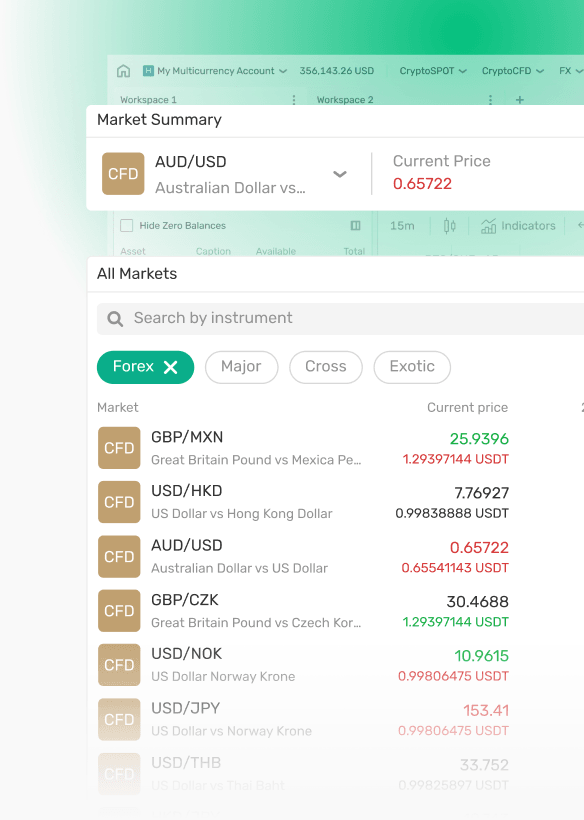
Our analyses track three main factors that can elevate overall costs: regulatory compliance, multi-asset integrations, and real-time risk visibility.
Regulatory Compliance and Audit Trails
Every brokerage operates under a regulatory framework that shapes CRM architecture from day one. KYC/AML verification workflows, transaction monitoring, document storage, and audit trails are legal necessities that every back-office software must provide.
These compliance modules can add around $4,000 to $10,000+ per functional jurisdiction. For example, if you are operating under the UK’s Financial Conduct Authority, CySEC, and Australian Securities and Investments Commission, you must account for different data retention, client classification, and reporting obligations outlined by each legislation.
This makes multi-jurisdictional operations highly complex, and any attempt to shortcut or postpone compliance can lead to expensive architectural redesign or create downstream legal exposure.
Multi-Asset Liquidity Integrations
A brokerage CRM must synchronize perfectly with liquidity providers, trading engines, payment gateways, and wallet systems, rather than operating in isolation. For example, connecting with common trading chart providers, such as MetaTrader 4 and MetaTrader 5, is foundational for newly launched Forex brokers and multi-asset trading platforms.
Each integration introduces an upfront build cost and recurring maintenance effort. A custom API integration for a single liquidity bridge can cost $15,000 – $30,000+, especially when testing, failover handling, and monitoring tools are included.
Now multiply this fee across payment processors, wallet layers, and trading servers, and you will find out that integration alone can represent a significant percentage of the total build.
That’s why pre-built solutions are more popular for growing fintech startups. They reduce administrative and financial burdens, ensure scalability, and offer institutional-grade integrations that are repeatable without rebuilding API logic for every deployment.
Real-Time Risk and Reporting Engines
Risk visibility is central to brokerage operations. Platform admins must track margin levels, exposure concentration, client trading behavior, and instrument-level risk in real time.
This is another key feature that distinguishes brokerage-specific from generic CRM builds. For instance, batch reporting is relatively inexpensive, but real-time analytics that require event-driven architecture and optimized database structures are considerably expensive.
This level of integration and reporting commonly adds $50,000 – $70,000+ to the broker’s back-office infrastructure. For multi-asset or higher-volume brokerages, real-time risk management is not a luxury. It is an operational necessity that supports responsible growth.
Build vs. Buy: Choosing the Right Development Path
There is no one-size-fits-all when planning your CRM. Whether you build, customize, or buy a back-office solution depends on platform requirements, internal expertise, timeline pressures, and risk tolerance.
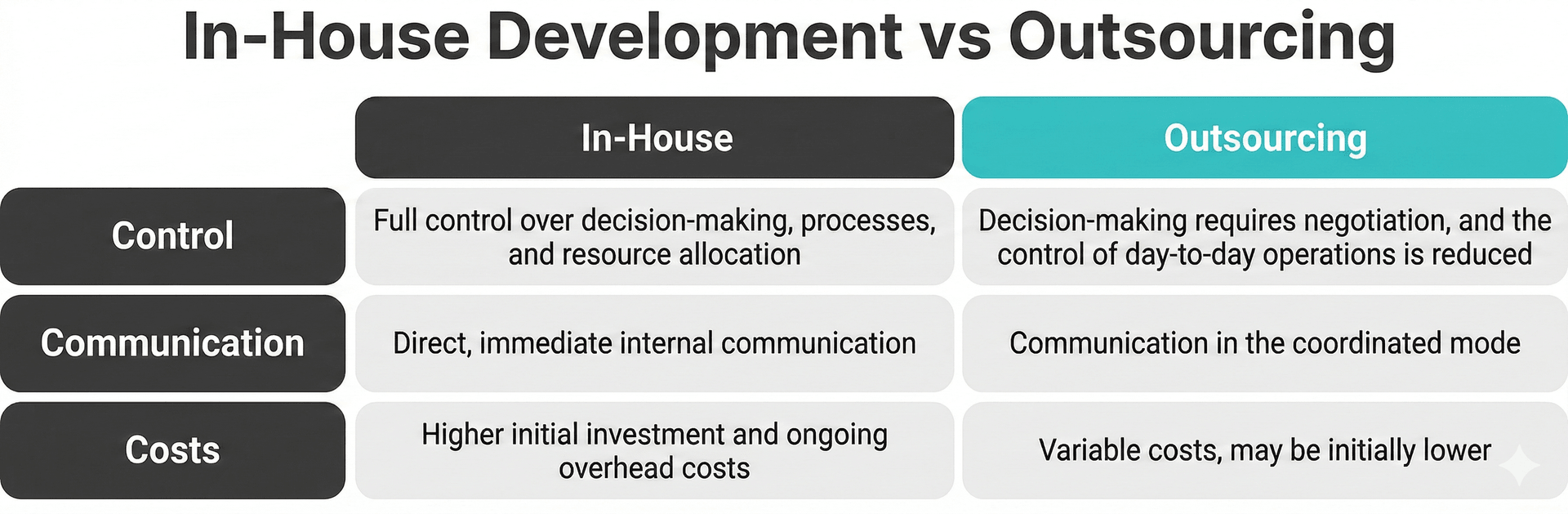
The key is to evaluate options based on total cost of ownership and compliance readiness, not just headline development cost. Let’s explain the three development paths and the estimated investment required for each.
Custom In-House Development
Building a brokerage CRM from scratch using internal development teams typically costs $120,000 – $300,000+ for medium complexity, with timelines ranging from 4 – 8 months. This route provides full IP ownership and maximum architectural flexibility.
This approach is viable and valuable for brokerages with internal engineering strength and long-term product ambitions.
However, in-house builds require ongoing maintenance teams, QA governance, security management, and compliance engineering, which need significant staffing and training.
You may reduce development costs by 20–50% with offshore teams, but the trade-off is unclear product ownership and delivery oversight. As such, any cost savings achieved during development can be offset if governance is weak and rework becomes necessary.
Modular Open-Source CRM System Development
Open-source platforms, such as SuiteCRM or Odoo, can lower initial customization costs to around $40,000 – $80,000. On paper, this appears attractive, but in practice, brokerage workflows require heavy adaptation.
As regulations and demand change dynamically, compliance frameworks, trading integrations, data model restructuring, and security reinforcement scope may expand, escalating the total cost of ownership.
Many projects underestimate the engineering effort required to transform a generic CRM into a production-grade brokerage system, leading to operational inefficiencies and shortcomings.
Open-source customization can work for MVP validation, but for long-term brokerage operations, platforms need robust compliance and security engineering to avoid costly rework later.
Fintech White Label Platforms
White label fintech platforms provide pre-built compliance modules, trading integrations, and partner management dashboards. This structure often reduces time-to-launch by 60–70%, largely because core integrations are already production-tested and ready to go.
However, there are some trade-offs. Licensing costs and customization constraints must be evaluated carefully. You also need to carefully plan deployment because delivery predictability and lower integration risk can significantly reduce total ownership cost.
For example, B2BROKER offers B2CORE as a turnkey brokerage infrastructure, combining compliance workflows, MT4/MT5 connectivity, wallet systems, and IB commission engines into a unified ecosystem. This reduces the number of custom integration points a brokerage must manage independently.
Want a Closer Look at B2CORE?
Explore how our CRM reduces your deployment costs to launch and compete from day one.
Essential Modules Every Brokerage CRM Needs
Regardless of the development path you choose, the brokerage CRM requires a non-negotiable functional baseline that separates it from generic customer relationship management software.
KYC and Onboarding Workflow
An enterprise-grade onboarding module should include automated document verification, identity checks, lead scoring, approvals, and full compliance logging. The budget to incorporate these systems can range from $30,000 – $50,000+, depending on the process, CRM functionality, and jurisdictional complexity.
Manual contact management often leads to scaling bottlenecks, which is why automation is key to reducing compliance risk and lowering friction during new user activation.
Trading Account Management
Account management is the operational core of brokerage CRM. It facilitates multi-account oversight, deposit/withdrawal processing, client status management, trading platforms (MT4/MT5), and user activity logs.
The back-office system must ensure these instances work closely together, with minimal friction and delay, resulting in a smoother user experience and far from siloed operations across individual apps.
Additionally, strong integration reduces reconciliation disputes, shortens funding cycles, and improves reporting accuracy, while weak connectivity increases support overhead and operational costs.
Partner and IB Commission Engine
Introducing Brokers and affiliates are key components of the CRM and overall brokerage activity. They drive significant acquisition volumes through professional networks and partnership programs in exchange for commissions.
Therefore, your IB module must support transparent fee systems, tiered structured, custom affiliate links, hybrid revenue-sharing models, and instrument-based rule sets.
This logic becomes complex quickly as platforms expand into multi-market, multi-asset stages, requiring cross-level partner structures and real-time commission tracking to carefully distribute and log earnings.
Ready to Level Up Your IB Program?
Unlock growth opportunities & drive business growth through customizable revenue-sharing models.
Hidden and Ongoing Expenses After Launch
Initial development typically represents only 60–70% of the first year cost. After launch, different variables affect your budgeting, including hosting, maintenance, support, security, further integrations, and more.
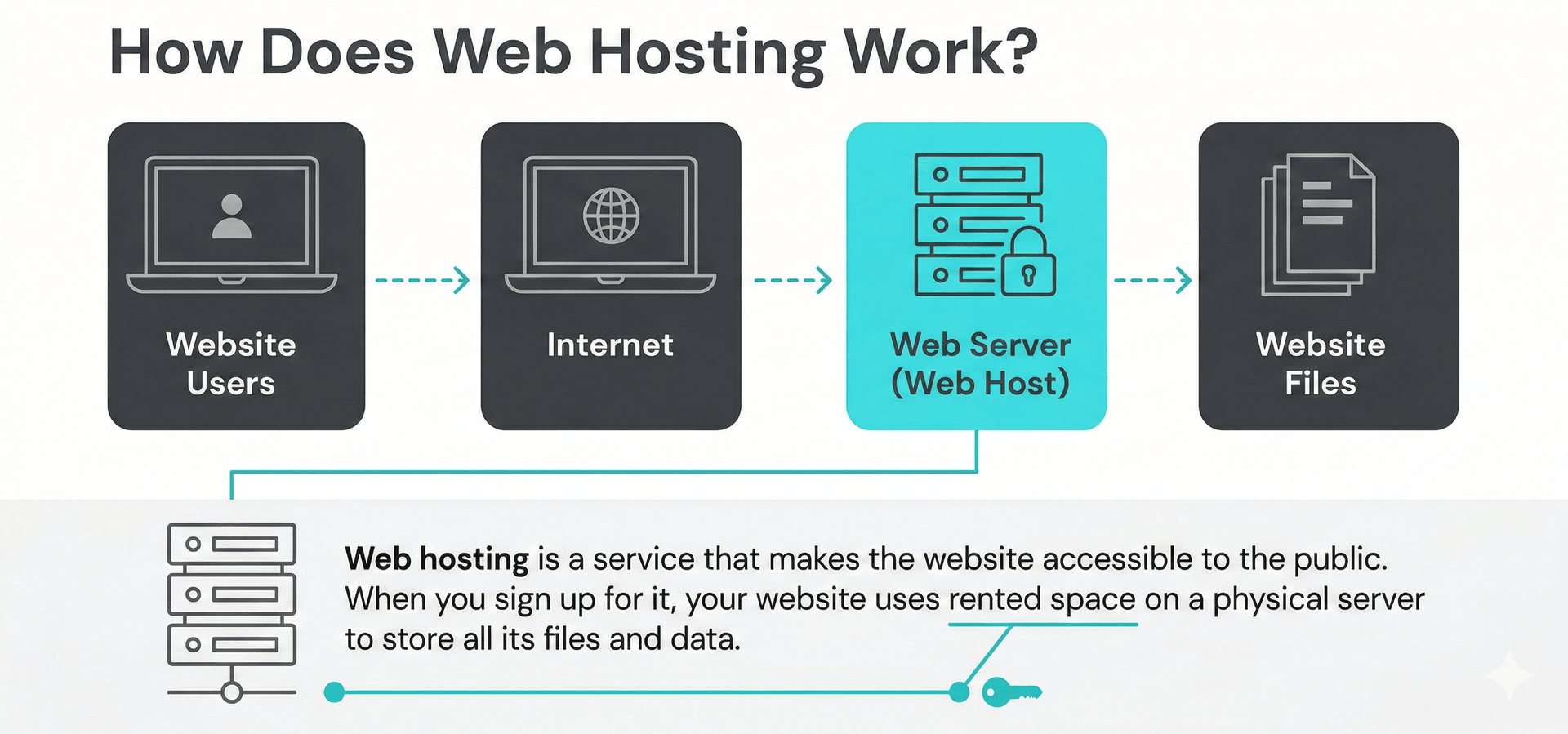
Infrastructure and Hosting
An institutional-grade brokerage CRM typically requires over $12,000/year in hosting as a baseline. This number can increase even further as client numbers grow and real-time processing becomes more demanding.
Common cloud solutions include Amazon Web Services and Microsoft Azure, which provide flexible hosting options but require active cost control through monitoring, right-sizing, caching, and database optimization.
Maintenance, Regulatory Updates, Security Patches, and Support
Regulations evolve continuously, and their corresponding security and infrastructure requirements can change frequently. Therefore, brokers must budget 10–20% of their initial development cost annually for compliance and security updates, which equates to approximately $5,000 – $20,000+.
Moreover, brokers going global may also need 24/7 support coverage, adding operational overhead that encompasses extra resources, documentation, training, and SLA tooling that compound as volumes grow. Postponing maintenance obligations creates technical debt, leading to downtime risk and compliance exposure.
Strategies to Control Your CRM Budget
Controlling CRM costs in a brokerage setting is not only about cutting features; it is more about structuring investment to maximize predictability and reduce execution risk.
The goal is to protect brokerage-critical capabilities, such as onboarding, platform integration, compliance workflows, and reporting, while preventing uncontrolled expansion that inflates the total cost of ownership.
Here are some strategies for managing your brokerage CRM budget.
Define an MVP scope: Start with a clearly defined $40,000–$60,000 MVP focused on onboarding, account management, and basic reporting. This version validates core workflows and integration logic before expanding into advanced marketing automation and partner management.
Note that scope creep, the unplanned expansion of a project’s agreed scope, is the primary budget killer. Therefore, a structured proof of concept with explicit acceptance criteria keeps early-stage risk contained.
Leverage pre-built connectors: Using proven MT4/MT5, payment gateway, and liquidity bridge connectors can save $50,000–$100,000+ compared to custom API builds.
Experienced development companies offer tested integrations that reduce build time and ongoing maintenance complexity, lowering operational and technical risk.
Adopt agile milestones: Phased delivery with measurable KPIs and metrics validates functionality early and prevents rework.
In environments where requirements evolve, agile iterations can reduce rework costs by 30–40% compared to traditional models, improving cost predictability and budget discipline.
How to Evaluate Technology Partners and Vendors
Selecting a CRM provider is not a feature comparison exercise; it is a total-cost and risk decision-making. Compliance exposure, uptime reliability, integration stability, and exit flexibility directly impact long-term cost and business continuity.
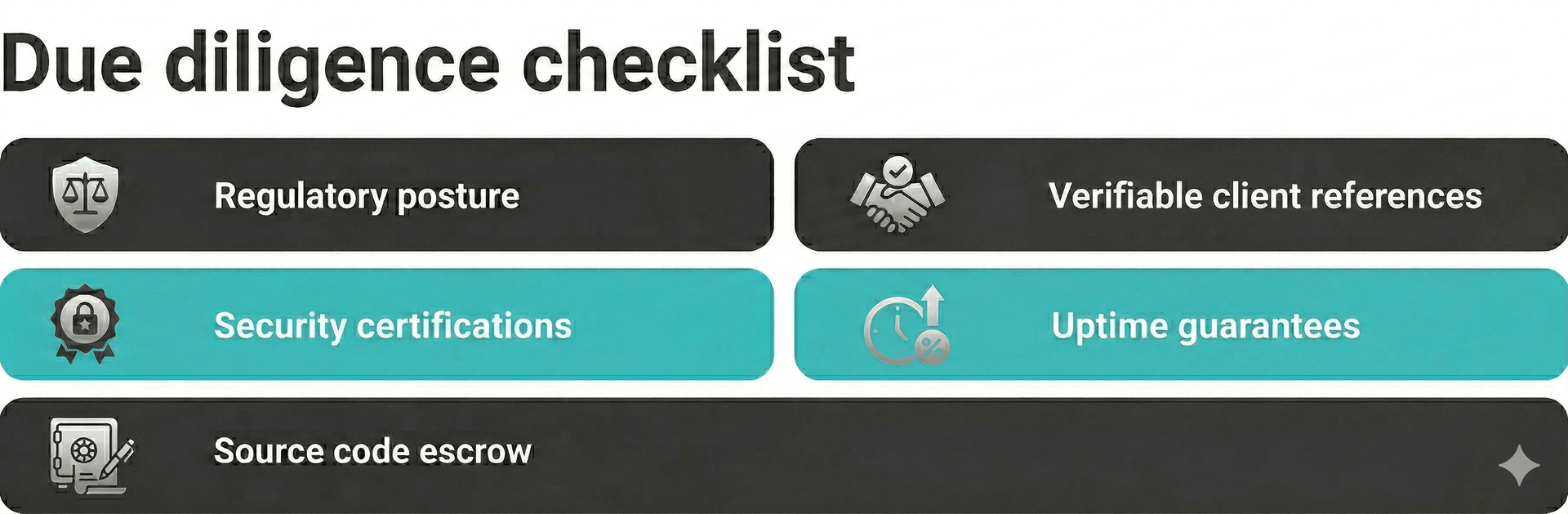
Due diligence checklist for choosing providers:
- Regulatory posture and compliance experience in brokerage and relevant jurisdictions.
- Verifiable client references, ideally from comparable brokerages, fintechs, and financial institutions.
- Security certifications, such as ISO 27001, and documented data protection controls.
- Uptime guarantees and enforceable SLAs with clear penalty structures.
- Source code escrow arrangements or explicit exit provisions to mitigate vendor lock-in.
Skipping diligence often creates hidden costs through integration failures, security gaps, remediation projects, and forced migrations.
Therefore, you must ensure full transparency into the total cost of ownership, and vendors must provide itemized licensing, implementation, integration, and ongoing maintenance/support costs, alongside a clearly defined change-request pricing model.
MT4/MT5 and other trading platform integrations are non-negotiable for Forex and multi-asset brokerages. Confirm they are production-tested, documented, and actively supported, with known limitations and monitoring procedures.
Integration failures are common causes of delays and budget overruns, so verification must include real deployment evidence and validation.
Accelerating Your Brokerage CRM Project With B2BROKER
Getting a brokerage CRM in 2026 requires a serious financial commitment. With development costs ranging from $90,000 to $300,000+ and one-year total cost of ownership potentially reaching $400,000+, vendor selection materially affects risk and long-term cost structure.
B2BROKER provides institutional-grade brokerage infrastructure through B2CORE, combining compliance workflows, MT4/MT5 connectivity, deep liquidity access, wallet management modules, and IB models into a centralized environment.
This cutting-edge architecture shortens deployment timelines, saves capital, and lowers integration risks.
Get multi-asset liquidity, pre-integrated payment gateways, wallet solutions, and trading connectivity—all in one dashboard.
Ready to Develop Your CRM Setup
Our experts will help you plan and budget your infrastructure, totally tailored to your preferences and business needs.
Frequently Asked Questions about the Cost of Building Brokerage CRM
- How much does it cost to build a CRM system?
A basic CRM system typically costs $40,000–$120,000, while medium-complexity custom CRM development often ranges from $120,000–$300,000+ due to compliance, security, and trading platform integrations.
- Why do brokerage CRMs cost more than average CRM software?
Brokerage CRMs must include regulatory compliance modules, real-time risk and reporting, and multi-asset liquidity and platform integrations, which commonly increase costs by 20–50% versus general CRMs.
- Can we adapt real estate customer management software to brokerage use?
In most cases, no: real estate CRMs don’t natively support KYC/AML workflows, trading account management, or MT4/MT5 integrations, and adaptation can cost as much as—or more than—a purpose-built brokerage CRM.
- How long does it take to reach break-even after launch?
Many brokerages reach break-even in roughly 18–24 months, depending on onboarding volume, conversion rate improvements, and efficiency gains from automation in compliance and partner commissions.
Recommended articles